How to Master Lean Six Sigma Process Mapping in 2026
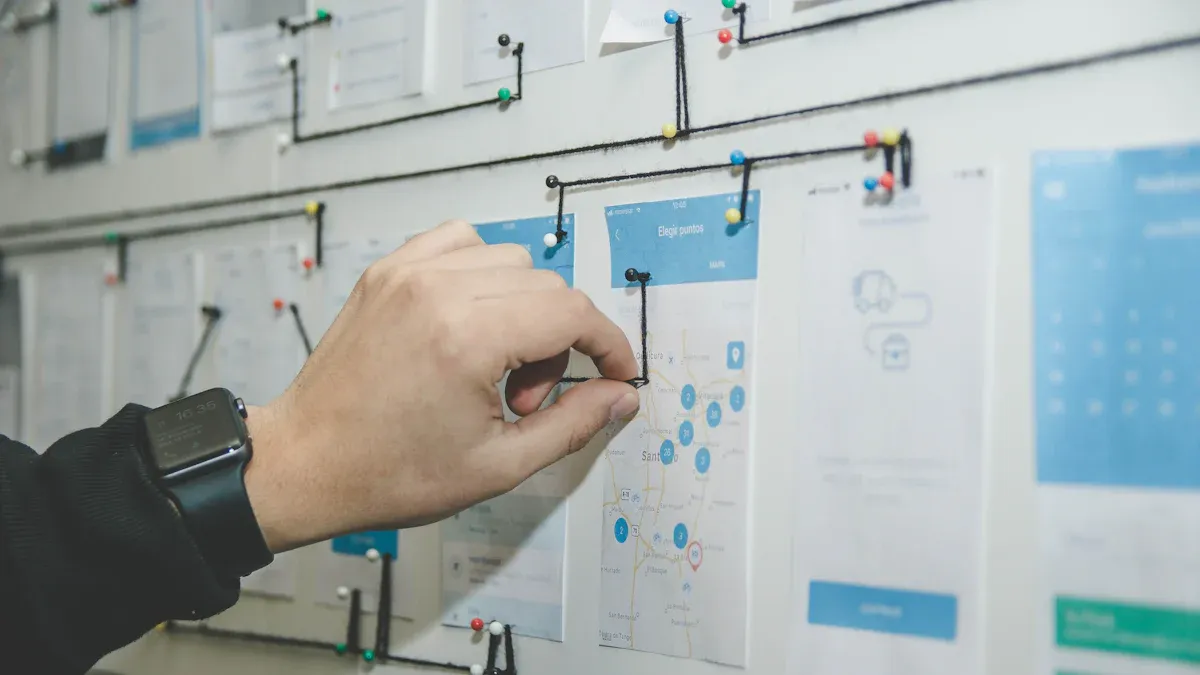
Mastering Lean Six Sigma Process Mapping in 2026 means using clear visual tools to guide teams through every step of a process. Process maps act as roadmaps, helping professionals and clients see the full workflow, quickly spot waste, and focus on optimization steps that matter. By visualizing the process, teams can streamline operations, improve quality, and boost customer satisfaction. These maps also provide a strong reference for training and updates, supporting a culture of continuous improvement for both clients and customers.
Key Takeaways
Lean Six Sigma Process Mapping helps teams visualize workflows, making it easier to spot waste and improve efficiency.
Using clear diagrams fosters better communication among team members and supports a culture of continuous improvement.
Different types of process maps, like SIPOC and Value Stream Maps, serve unique purposes and help teams focus on specific areas.
Engaging stakeholders early in the mapping process ensures that all perspectives are considered and builds support for changes.
Regular reviews of process maps keep them accurate and relevant, helping teams adapt to new challenges.
Digital tools and automation enhance process mapping by providing real-time insights and streamlining tasks.
Setting clear goals and using key performance indicators (KPIs) helps teams measure the success of their process improvements.
A culture of continuous improvement encourages teams to regularly update their processes and maintain high standards.
Lean Six Sigma Process Mapping Overview
What Is Process Mapping?
Process mapping creates a visual roadmap of business workflows. Teams use this technique to outline steps, tasks, and decisions in a process. The map shows how work moves from start to finish, making it easier to understand and improve operations. Lean Six Sigma Process Mapping relies on standard symbols, such as rectangles for tasks and diamonds for decisions, to keep diagrams clear and consistent. These maps help measure and analyze existing processes, identify inefficiencies, and design better workflows for new operations.
Process mapping integrates into Lean Six Sigma frameworks like DMAIC and DMADV. In DMAIC, teams analyze current processes to find areas for improvement. In DMADV, they design new processes based on requirements.
A process map displays steps, events, and operations. It identifies inputs, outputs, and related details, giving a clear picture of the current state. Teams use different types of maps, including Value Stream Maps, Control Charts, Swimlane Diagrams, and SIPOC Diagrams, each serving a unique purpose.
Aspect | Description |
|---|---|
Definition | Visual representation of workflows, steps, and tasks. |
Purpose | Measures and analyzes processes, identifies inefficiencies, and designs optimal workflows. |
Types of Process Maps | Value Stream Maps, Control Charts, Swimlane Diagrams, SIPOC Diagrams. |
Benefits | Provides transparency, aids root cause analysis, and helps eliminate waste. |
Why It Matters in 2026
Organizations in 2026 face rapid changes and evolving needs. Lean Six Sigma Process Mapping helps teams adapt by making process documentation and improvement easier. Visual diagrams show each step, allowing teams to spot bottlenecks and optimize workflows. This clarity reduces misunderstandings and speeds up training for new employees.
Process mapping provides a common language for teams across departments.
It makes inefficiencies visible, supporting operational excellence.
Clear diagrams help onboard new staff quickly and improve collaboration.
Evidence Description | Importance for Organizations in 2026 |
|---|---|
Process mapping tools facilitate creation and editing of maps. | Adaptability ensures efficient documentation and implementation. |
Visual diagrams help teams identify bottlenecks. | Optimization is vital for operational excellence. |
Clear communication through diagrams reduces misunderstandings. | Clarity aids training and enhances collaboration. |
Key Benefits
Lean Six Sigma Process Mapping delivers measurable results for organizations. Teams achieve significant cost reductions by eliminating waste and improving quality. Streamlined processes reduce cycle times and boost efficiency. Enhanced product and service quality leads to increased revenue and profitability.
Benefit Type | Description |
|---|---|
Financial Benefits | Cost reduction, increased revenue, enhanced profitability. |
Operational Benefits | Streamlined processes, reduced cycle times, improved efficiency, better quality. |
Organizational Benefits | Data-driven culture, higher employee morale, talent growth. |
Teams that use process mapping foster a culture of continuous improvement. Employees feel more engaged and motivated when they see clear progress and understand their roles. Organizations benefit from transparency, collaboration, and sustained growth.
Types of Process Maps
SIPOC Diagram
A SIPOC diagram gives teams a high-level view of a process. The acronym stands for Suppliers, Inputs, Process, Outputs, and Customers. This map helps teams define the boundaries of a process before diving into details. Teams often use SIPOC diagrams at the start of improvement projects. The diagram clarifies who supplies what, which inputs enter the process, the main steps, the outputs, and the customers who receive them.
Scenario Description | Purpose |
|---|---|
To define process boundaries and clarify key components. | |
When needing a high-level overview of a process | To show Suppliers, Inputs, Process, Outputs, and Customers concisely. |
To gain a common understanding of process scope | To identify stakeholders and establish project boundaries. |
Teams use SIPOC diagrams to align everyone on the process scope. This tool prevents confusion and ensures that all stakeholders understand the main elements. SIPOC diagrams do not show every detail. Instead, they focus on the big picture, making them ideal for project kickoffs or when defining new processes.
Value Stream Map
A Value Stream Map (VSM) tracks every step involved in delivering a product or service. This map highlights both people and tasks, focusing on the flow of value from start to finish. Teams use VSMs to spot waste and improve efficiency. The map shows where delays, bottlenecks, or unnecessary steps occur.
Value Stream Mapping provides a visual representation of value flow, helping teams see interdependencies and areas of waste.
Leaders use VSMs to challenge assumptions about costs and customer wait times.
VSMs link measurable activities to economic performance, making non-value-adding steps visible.
Distinguishing Features | |
|---|---|
Value Stream Map | Details all people and tasks involved, focusing on eliminating waste. |
Teams often use VSMs during Lean Six Sigma projects to drive informed decisions. By mapping the current state, teams can design a future state with less waste and better performance.
Swimlane Map
A Swimlane Map, also called a Swimlane Diagram, organizes process steps into lanes. Each lane represents a department, team, or role. This structure makes it easy to see who is responsible for each task. Swimlane maps help teams understand how work moves across functions.
Advantage | Description |
|---|---|
Clarifies Responsibilities | Lanes show which role handles each task, improving accountability. |
Improves Communication | Visualizing handoffs enhances team communication. |
Identifies Inefficiencies | The structure helps teams spot bottlenecks and unnecessary handoffs. |
Swimlane diagrams enhance accountability by showing responsibility for each task.
They make interactions and handoffs visible, which improves communication.
Teams use swimlane maps to find inefficiencies, such as bottlenecks or redundant steps.
Swimlane maps work well for cross-functional processes. They help teams redesign workflows for better results.
Detailed Flowchart
A detailed flowchart shows every step in a process. It uses standard symbols to represent tasks, decisions, and flows. Teams rely on this map to capture all actions, inputs, and outputs. The flowchart helps identify errors and waste by making each step visible. Employees who perform the process contribute their knowledge. They ensure that the map includes all relevant details.
The flowchart starts with a clear beginning. Each box represents a task or action. Diamonds show decision points. Arrows connect steps and guide the flow. Teams add notes for special instructions or exceptions. The map covers every possible path, including alternate routes and loops.
Teams use detailed flowcharts to analyze processes and find improvement opportunities. They spot unnecessary steps, delays, and bottlenecks. The map helps them redesign workflows for better results.
A detailed process map in Lean Six Sigma projects includes comprehensive information. It captures the sequence of tasks, responsible roles, and decision points. Teams involve employees who perform the process. These employees possess the most knowledge about the workflow. Their input ensures accuracy and completeness.
Teams review the flowchart together.
They check for missing steps or unclear instructions.
They update the map as processes change.
A detailed flowchart supports training and onboarding. New employees learn the process quickly. The map provides a reference for troubleshooting and audits. Teams use it to maintain consistency and quality.
Choosing the Right Map
Selecting the best process map depends on the project’s goals and the team’s needs. Teams consider several criteria when choosing a map:
Select individuals with detailed knowledge of the process steps.
Include subject matter experts who can stand behind the process map.
Ensure participants have motivation, time, and energy to contribute.
Choose people with strong relationships across groups to support collaboration.
Engage sponsors early to secure critical resources and support.
Address potential conflicts by assessing readiness and managing behaviors before sessions.
Different map types serve unique purposes. The table below summarizes common options:
Map Type | Description |
|---|---|
SIPOC Map | Breaks down the key elements of a process into categories: Suppliers, Inputs, Process, Outputs, and Customers. |
High Level Map | Provides a bird's-eye view of the process and essential steps without intricate details. |
Detailed Map | Shows finer points of smaller processes, detailing how inputs and outputs correlate. |
Swimlane Map | Categorizes process steps based on roles or departments, identifying handoffs and potential bottlenecks. |
Value Stream Map | Visualizes every step in a process, highlighting value-adding and non-value-adding activities. |
Teams match the map type to the complexity of the process and the improvement goals. The right map helps them focus on key issues and drive meaningful change.
Process Mapping Steps
Preparation
Define Objectives
Teams start Lean Six Sigma Process Mapping by setting clear objectives. They decide what they want to achieve and outline the goals for the mapping initiative. The scope of the process must be determined, including where it begins and ends. Teams identify all steps and arrange them in the correct order. This approach helps everyone understand the purpose and direction of the project.
Set specific goals for the process mapping effort.
Define the boundaries of the process, including start and end points.
List each step in the process in sequence.
Teams use visual tools like SIPOC diagrams to clarify the scope. They walk through the process with input from different departments. Stakeholder engagement ensures buy-in and support from the start.
Gather Team & Data
Teams assemble the right group for process mapping. They include people who work directly with the process and those who have knowledge of its details. Gathering accurate data is essential. Teams collect information about inputs, outputs, and the flow of work. They involve stakeholders to ensure all perspectives are considered.
Engage stakeholders early to secure support.
Use data from multiple sources to build a complete picture.
Walk through the process with team members from different departments.
Current State Mapping
Identify Steps
Teams identify every step in the current process. They list all inputs and outputs, and pinpoint each stakeholder involved. This step provides a visual representation of the workflow. Teams focus on factual observations to capture what happens, not what should happen.
List every output generated.
Pinpoint every involved stakeholder.
Successful process mapping depends on active participation. Team members who work directly with the process bring valuable insights. Teams highlight opportunities for improvement and identify redundancies.
Engage the right stakeholders early to find gaps and exceptions.
Encourage participants to share variations or exceptions by asking probing questions.
Involve team members from various parts of the organization to uncover hidden issues.
Visualize Flow
Teams create a visual map of the current process. They use standard symbols to represent tasks, decisions, and flows. The map shows how work moves from start to finish. Teams conduct regular reviews and feedback sessions to ensure accuracy. They document exceptions and variations to capture critical aspects of the workflow.
Provide a visual representation of the current state.
Identify redundancies and unnecessary steps.
Document exceptions and variations in the process.
Analysis & Improvement
Spot Waste & Bottlenecks
Teams analyze the process map to find waste and bottlenecks. They use several techniques to uncover issues and areas for improvement.
Technique | Description |
|---|---|
Value Stream Mapping | Visualizes the flow of materials and information, highlighting where work piles up or slows down. |
Process Cycle Time Analysis | Measures the duration of each step, identifying those that consume excessive time or resources. |
Takt Time Calculations | Compares process speed to customer demand, indicating potential bottlenecks if cycle times lag. |
Gemba Walks | Involves direct observation of work processes to identify issues that data may overlook. |
5 Whys | A root cause analysis method that asks 'why' multiple times to uncover the underlying cause. |
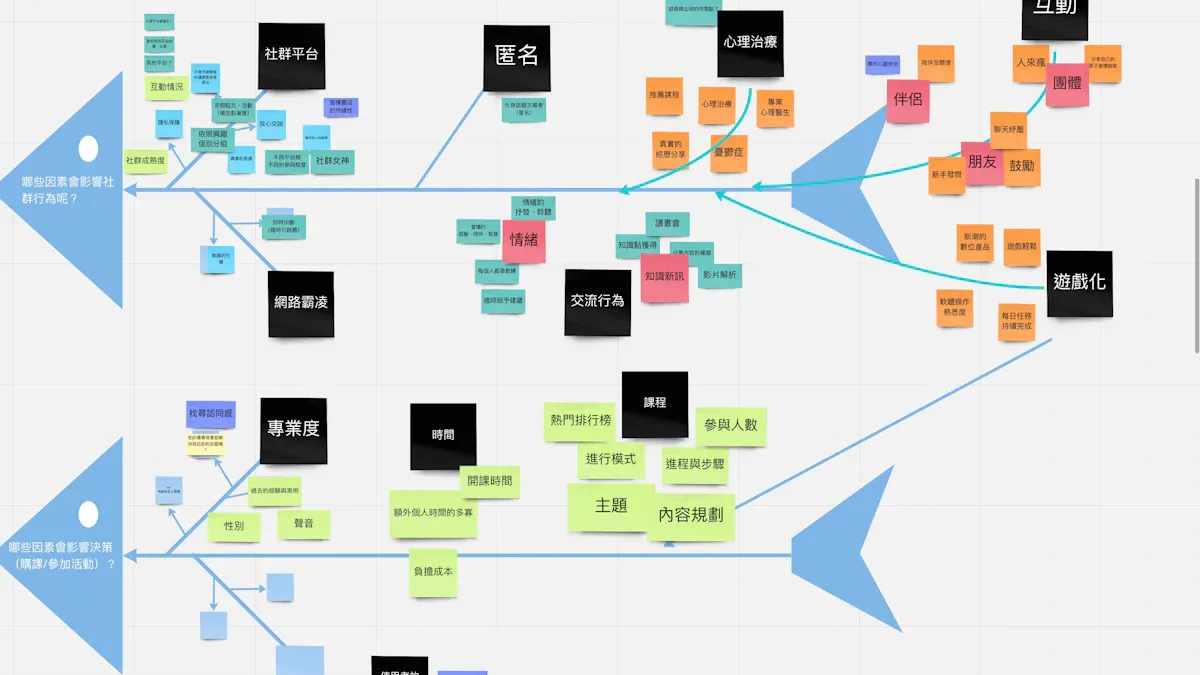
Fishbone Diagrams | Organizes potential causes of issues, breaking down complex problems into manageable parts. |
Teams use these methods to highlight inefficiencies and pinpoint areas for improvement. They focus on facts and direct observations to ensure accuracy.
Engage Stakeholders
Teams maximize stakeholder engagement during analysis and improvement. They use strategies to involve stakeholders and clarify roles.
Strategy | Description |
|---|---|
Use matrices to categorize stakeholders based on power and interest levels. | |
Tailored Communication Plans | Develop specific communication strategies for different stakeholder groups. |
Collaborative Decision-Making | Involve stakeholders in the decision-making process to enhance engagement and commitment. |
Mendelow’s Stakeholder Matrix classifies stakeholders based on power and interest.
RACI Charts clarify roles and responsibilities throughout the project lifecycle.
Teams involve stakeholders in reviews and decision-making. They share relevant information at the right time and encourage collaboration. This approach ensures commitment and supports successful Lean Six Sigma Process Mapping.
Future State Design
Apply Lean Six Sigma Principles
Teams use future state design to create a better version of the current process. They focus on removing waste, reducing errors, and improving flow. Lean Six Sigma Process Mapping gives teams a visual roadmap. This roadmap helps them find bottlenecks and steps that do not add value. Teams often use value stream mapping to see where lead time increases without adding value. Control charts and statistical process control help teams spot changes in the process early. Early detection leads to fewer defects and higher quality.
Best practices for applying Lean Six Sigma principles include:
Identify and remove non-value-adding steps.
Use value stream mapping to highlight waste and delays.
Apply control charts to monitor process stability.
Set clear objectives for the new process.
Build a common understanding among all team members.
Use visual tracking tools to keep everyone informed and engaged.
Teams communicate clearly and use visual tools to keep everyone aligned. They make sure each person understands the new process and their role in it.
Set Goals
Setting goals for the future state process map helps teams measure progress and success. Teams start by collecting data about the current process. They use surveys, interviews, and direct observation to gather both numbers and opinions. This information shows where improvements are needed.
To set and measure goals, teams follow these steps:
Gather comprehensive data from different sources to understand the current process.
Collaborate with stakeholders from various departments to get a wide range of insights.
Keep future goals in mind while looking for current problems.
Define and track key performance indicators (KPIs) such as efficiency gains and return on investment.
Teams use KPIs to measure the impact of changes. They check if the new process meets the goals set at the beginning. Regular reviews help teams stay on track and make adjustments as needed.
Tip: Teams should review goals often and adjust them based on new data or feedback. This approach supports continuous improvement and long-term success.
Accuracy & Effectiveness
Best Practices
Successful Lean Six Sigma process mapping depends on accuracy and clarity. Systems and teams achieve reliable results by following proven best practices. Teams revisit the Thought Process Map during each DMAIC phase. This habit keeps everyone focused and allows adjustments as new information appears. Subject matter experts validate each step, ensuring the map reflects reality. Stakeholder maps stay updated, which helps maintain engagement and support.
Teams select participants with detailed knowledge of process steps. Subject matter experts validate the map.
Open communication and constructive conflict resolution foster collaboration.
Accurate data collection uses structured methods. Teams identify necessary information before mapping.
Gemba walks allow teams to observe processes firsthand. Qualitative insights improve the map.
Teams document observations using tools like process flowcharts and value stream maps.
Tip: Systems and teams that follow these practices create process maps that drive measurable improvements for clients.
Common Mistakes
Teams sometimes make errors during process mapping. These mistakes reduce effectiveness and accuracy. Clients at systems and teams avoid these pitfalls by staying vigilant and following structured approaches.
Teams narrow the process scope too much. Important steps get missed.
An absence of process analysis leads to incomplete maps.
Overcomplicating visuals confuses stakeholders.
Poor process map maintenance causes outdated information.
Inconsistent process map practices create confusion.
Teams map how work should happen, not how it actually does.
Excluding the people who do the work results in gaps.
Skipping validation allows errors to persist.
Treating mapping as a one-and-done task prevents continuous improvement.
Note: Teams should involve those who perform the work and validate maps regularly. This approach keeps process maps accurate and useful.
Team Engagement
Team engagement shapes the success of Lean Six Sigma process mapping. Systems and teams involve the right participants, including subject matter experts and stakeholders. This approach creates a comprehensive view of the process. Stakeholder engagement ensures that process mapping reflects real needs and gains broad support. Open communication and collaboration among team members enhance the quality of process mapping.
Evidence Type | Description |
|---|---|
Participant Selection | Engaging the right participants, including SMEs and stakeholders, creates a comprehensive view of the process. |
Stakeholder Engagement | Ensures that process mapping reflects real needs and gains broad support through accurate stakeholder maps. |
Collaboration and Communication | Fostering open communication and collaboration among team members enhances the quality of process mapping. |
Teams that prioritize engagement achieve process mapping results that benefit clients at systems and teams. Collaboration leads to accurate maps and sustained improvements.
Overcoming Challenges
Resistance to Change
Many organizations face resistance when they introduce Lean Six Sigma process mapping. Employees worry about job security or extra workload. Leaders sometimes struggle to gain support from their teams. The most frequent challenges include resistance to change, lack of leadership support, inadequate training, data collection issues, and difficulty sustaining momentum.
Resistance to Change
Lack of Leadership Support
Inadequate Training and Expertise
Data Collection and Analysis Challenges
Maintaining Momentum and Sustainability
Teams can overcome resistance by engaging employees early. Open discussions help leaders understand concerns. Feedback sessions allow employees to share their thoughts. Surveys reveal patterns in resistance. Leaders involve process owners and key stakeholders at the start. Transparent communication builds trust. Teams explain the reasons and benefits of changes. Training and support help employees adapt. Leaders address root causes of resistance through careful analysis. Gradual implementation reduces overwhelm. A Change Control Board manages proposed changes. Active sponsorship from leadership motivates teams.
Tip: Honest communication and visible leadership support make change easier for everyone.
Complex Processes
Complex processes can confuse teams and slow improvement. Process mapping acts as a visual roadmap. It documents workflows and tasks, making complicated procedures easier to understand. Teams create both current and future state maps. These maps help plan effective changes. Defining clear boundaries keeps the process manageable. Teams avoid unnecessary details and focus on what matters most.
Process mapping simplifies complex procedures.
Current and future state maps guide improvement.
Clear boundaries maintain focus and manageability.
Challenge | Solution |
|---|---|
Complexity | Use visual maps to clarify steps and tasks. |
Overwhelm | Define boundaries to avoid extra details. |
Planning Changes | Map current and future states for guidance. |
Sustaining Improvements
Sustaining improvements requires ongoing effort. Teams conduct regular reviews of process maps. These reviews help identify issues early. Ongoing training equips team members with skills to update and use process maps. Management support fosters a culture of continuous improvement. Leaders motivate teams to maintain enhancements. Teams embed process mapping into daily routines. This integration keeps process mapping relevant and useful for decision-making.
Regular reviews keep process maps accurate.
Ongoing training builds team skills.
Management support encourages continuous improvement.
Embedding process mapping in daily practice ensures lasting results.
Note: Teams that review, train, and integrate process mapping into daily work sustain improvements and achieve better outcomes.
Future Skills for 2026

Digital Tools & Automation
Digital tools and automation shape Lean Six Sigma process mapping in 2026. Teams rely on advanced technology to visualize, track, and improve processes. Data visualization dashboards give real-time insights. These dashboards help teams spot patterns and anomalies quickly. Workflow automation reduces manual tasks and errors. It ensures consistency across projects. Project tracking tools link tasks to Lean Six Sigma methods. Teams see the entire DMAIC process and understand each step. Performance monitoring tools provide continuous feedback. Metrics update automatically, helping teams sustain improvements.
Data visualization dashboards show process performance in real time.
Workflow automation streamlines tasks and reduces mistakes.
Project tracking tools enhance clarity and accountability.
Performance monitoring delivers ongoing feedback and tracks key metrics.
Teams that master these digital tools gain a competitive advantage. They respond faster to changes and maintain high standards.
Lean Six Sigma Trends
Lean Six Sigma trends in 2026 focus on agility and integration. Teams use digital platforms to collaborate across locations. Remote work becomes common, so process maps must be accessible online. Artificial intelligence supports decision-making. AI analyzes process data and suggests improvements. Teams adopt cloud-based tools for sharing and updating maps. These tools keep information current and secure. Lean Six Sigma blends with other improvement methods. Teams combine Lean, Six Sigma, and Agile for better results. Training programs emphasize digital skills and cross-functional teamwork.
Trend | Description |
|---|---|
Digital Collaboration | Teams work together using online platforms. |
AI Integration | Artificial intelligence analyzes process data. |
Cloud-Based Mapping | Process maps stay updated and accessible online. |
Method Integration | Lean, Six Sigma, and Agile work together. |
Digital Training | Teams learn new skills for modern tools. |
Teams that follow these trends stay ahead. They adapt quickly and deliver consistent improvements.
Continuous Improvement Culture
A continuous improvement culture supports Lean Six Sigma process mapping success. Leaders embed process mapping into daily routines. Teams use process maps for planning and problem-solving. Regular reviews help teams find issues early. Training gives team members the skills to update and use process maps. Management support matters. Leaders participate in reviews and training. Their involvement shows the importance of process mapping.
Leaders set expectations for using process maps every day.
Teams review maps regularly to keep processes aligned.
Training equips members with mapping skills.
Management support reinforces process mapping value.
Teams that build a continuous improvement culture achieve lasting results. They keep processes efficient and adapt to new challenges. 🌱
Lean Six Sigma Process Mapping guides teams to visualize workflows, spot waste, and drive improvement. Teams build success by following clear steps, engaging stakeholders, and reviewing maps often. A mindset of continuous learning helps teams adapt and grow. Process maps serve as roadmaps for lasting change.
For those who want to deepen their expertise, reach out to us for resources and support.
FAQ
What is the main purpose of Lean Six Sigma process mapping?
Lean Six Sigma process mapping helps teams visualize workflows. They use maps to identify waste, improve efficiency, and support continuous improvement. Clear diagrams guide teams to make better decisions.
Which process map should a team use for a new project?
Teams often start with a SIPOC diagram. This map gives a high-level overview and defines process boundaries. It helps everyone understand suppliers, inputs, outputs, and customers.
How can teams ensure accuracy in process mapping?
Teams involve subject matter experts and collect data directly from those who perform the work. They validate each step and update maps regularly. Gemba walks provide firsthand observations.
What digital tools support process mapping in 2026?
Teams use cloud-based platforms, automation software, and real-time dashboards. These tools help visualize processes, track changes, and monitor performance. Digital collaboration keeps maps accessible and current.
How does process mapping reduce resistance to change?
Process mapping increases transparency. Teams engage stakeholders early and communicate clearly. Employees see the benefits and understand their roles, which builds trust and reduces fear.
What are common mistakes in process mapping?
Teams sometimes skip validation, exclude key participants, or overcomplicate diagrams. They may map ideal processes instead of actual workflows. Regular reviews and stakeholder involvement prevent these errors.
How does process mapping support continuous improvement?
Teams review maps often and use them to spot issues. They update workflows based on feedback and new data. This habit keeps processes efficient and supports ongoing growth. 🌱
Can process mapping help with complex workflows?
Yes. Process mapping breaks down complex workflows into clear steps. Teams use visual diagrams to simplify tasks, identify bottlenecks, and plan improvements.


