How Can Methodology for Process Improvement Help You Now

Organizations see immediate results when they use methodology for process improvement. Small changes, such as streamlining onboarding or improving knowledge sharing, can boost productivity and reduce costs. The table below shows common quick wins:
Issue | Description |
|---|---|
New hires find information faster and become productive sooner. | |
Repetitive Support Tickets | Teams answer fewer repeated questions when knowledge is shared effectively. |
Inconsistent Sales Messaging | Clear communication helps teams avoid lost opportunities. |
Business management teams notice better quality and customer satisfaction right away.
Key Takeaways
Process improvement boosts productivity and reduces costs through small changes.
Identifying and addressing bottlenecks leads to smoother workflows and faster task completion.
Engaging employees in process improvement fosters support and reduces resistance to change.
Using data-driven decisions helps teams make informed choices and measure success effectively.
Continuous improvement is essential; small, ongoing changes lead to lasting benefits.
Choosing the right methodology depends on organizational goals and employee feedback.
Monitoring results ensures that improvements are effective and adjustments can be made quickly.
Community support and resources enhance learning and provide valuable insights for process improvement.
What Is Process Improvement
Simple Definition
Process improvement means making business activities work better. Organizations use this approach to find weak spots, remove waste, and make tasks easier. They look at how things get done, spot problems, and fix them.
They optimize workflows to boost efficiency.
They check operations to find bottlenecks and redundancies.
A process improvement effort often includes clear goals, data-driven decisions, and employee involvement. The main goal is to create smoother, faster, and more reliable ways of working.
Purpose and Value
The purpose of process improvement is to help organizations reach their goals with less effort and fewer mistakes. It adds value by making work more efficient, saving money, and improving quality. Many companies use process improvement to stay competitive and meet customer needs.
Note: A clothing retailer improved inventory management by investing in a new system. This change reduced costs and helped the company use resources better. In another case, a bike manufacturer used Lean principles to remove inefficiencies, which led to higher productivity and customer satisfaction.
Key components of process improvement include:
Key Components | Description |
|---|---|
Clarity | Defining clear goals and objectives for process improvement. |
Adaptability | Adjusting methods based on feedback and changing needs. |
Data-driven decisions | Using data to guide actions and measure progress. |
Stakeholder buy-in | Getting support from everyone involved. |
Measurable results | Setting metrics to track success. |
Pilot changes | Testing new ideas on a small scale first. |
Monitoring key metrics | Watching performance indicators to see the impact of changes. |
Employee engagement | Involving staff to get insights and support. |
Streamlined workflows | Removing inefficiencies and repeated steps. |
Standardized best practices | Creating consistent methods for ongoing improvement. |
Embedding changes | Making improvements part of the company culture. |
Why It Matters Now
Today, organizations face fast changes and high expectations. Methodology for Process Improvement helps them adapt quickly and stay ahead. New trends, such as robotic process automation and intelligent process automation, allow companies to automate routine tasks. This gives employees more time for important work. Many organizations also use design thinking to improve user experience and align processes with customer needs.
Sustainability has become a key focus. Companies now look for ways to reduce their environmental impact while improving processes. Methodology for Process Improvement supports these goals by helping teams find better ways to use resources and cut waste.
The table below shows common approaches and their main focus:
Methodology | Best for | Key focus |
|---|---|---|
Six Sigma | Reducing defects | Data-driven quality control |
TQM | Customer satisfaction | Organization-wide quality |
Lean | Eliminating waste | Value stream optimization |
Kaizen | Incremental change | Continuous small improvements |
PDCA | Testing solutions | Iterative problem-solving |
5 Whys | Root cause analysis | Identifying process errors |
BPM | Scaling operations | End-to-end process management |
Methodology for Process Improvement gives organizations the tools to respond to new challenges, improve quality, and deliver better results right away.
Methodology for Process Improvement
Key Approaches
Organizations use several main approaches to improve their processes. Each methodology has a unique focus and set of tools. The table below compares some of the most widely used methods:
Methodology | Description | Objectives |
|---|---|---|
Lean | Focuses on minimizing waste while maximizing value. | Create more value with fewer resources by improving efficiency, reducing costs, and enhancing quality. |
Six Sigma | A data-driven approach aimed at improving processes by eliminating defects. | Focus on customer satisfaction and continuous improvement. |
Kaizen | Encourages small, frequent improvements for adaptability. | Maintain resilience and readiness for new demands. |
Six Sigma
Six Sigma uses data and statistical analysis to reduce defects in processes. Teams follow a structured path, often called DMAIC (Define, Measure, Analyze, Improve, Control). This approach aims to improve quality and meet customer needs. Six Sigma works best for organizations that want to reduce errors and achieve consistent results.
Lean
Lean focuses on removing waste and increasing value. Teams identify steps that do not add value and work to eliminate them. Lean helps organizations use fewer resources while improving efficiency and quality. Many companies use Lean to streamline workflows and cut unnecessary costs.
Kaizen
Kaizen means "continuous improvement" in Japanese. This approach encourages everyone in the organization to suggest small, daily changes. Over time, these small improvements add up to big results. Kaizen builds a culture where employees feel involved and motivated to make things better.
PDCA Cycle
The PDCA Cycle stands for Plan, Do, Check, Act. Teams use this cycle to test changes, review results, and make adjustments. PDCA supports ongoing improvement by encouraging regular review and learning from each step.
5 Whys
The 5 Whys technique helps teams find the root cause of a problem. By asking "why" five times, teams dig deeper into issues and avoid treating only the symptoms. This method works well for solving recurring problems and preventing future mistakes.
TQM
Total Quality Management (TQM) builds a culture of quality across the organization. Everyone, from top leaders to front-line workers, takes part in improving processes. TQM encourages collaboration and long-term commitment to quality.
BPM
Business Process Management (BPM) uses technology and structured methods to manage and improve end-to-end business processes. BPM helps organizations scale operations, monitor performance, and adapt to change.
The table below highlights how some of these approaches differ in focus and outcomes:
Methodology | Focus | Key Characteristics |
|---|---|---|
Lean | Minimizing waste | Aims to create more value with fewer resources, improving efficiency and quality. |
Six Sigma | Data-driven process improvement | Focuses on customer satisfaction and continuous improvement through a structured approach. |
Total Quality Management | Organizational culture of improvement | Involves all employees in the process, fostering collaboration and commitment. |
Kaizen | Continuous incremental improvement | Emphasizes sustainable changes and engages front-line workers for process insights. |
Choosing the Right Methodology
Selecting the best methodology for process improvement depends on the organization's needs and goals. Teams should consider several important criteria:
Criteria | Description |
|---|---|
Impact on Customer Satisfaction | Focus on processes that directly affect customer satisfaction for immediate benefits. |
Cost and Financial Impact | Prioritize processes with high potential for cost savings or revenue growth. |
Alignment with Strategic Goals | Ensure process improvements align with organizational strategic goals and objectives. |
Frequency and Volume of Use | Prioritize frequently used processes to generate significant organizational benefits. |
Risk and Compliance | Focus on processes with high risk or compliance implications to avoid potential damage. |
Employee Feedback and Pain Points | Leverage employee insights to identify and address inefficiencies, improving morale and efficiency. |
To choose the right methodology for process improvement, teams can follow these steps:
Define goals clearly. Teams should know what they want to achieve with process improvement.
Consider the complexity of the process. Some methods work better for simple tasks, while others suit complex operations.
Assess available resources and skills. Teams need to match the methodology to their strengths and limitations.
Seek expert advice. Consulting professionals can help organizations understand which approach fits best.
Tip: Teams should start with a small project to test the chosen methodology. This helps them learn quickly and adjust before scaling up.
By understanding each approach and matching it to their needs, organizations can use methodology for process improvement to achieve faster results, higher quality, and better customer satisfaction.
Immediate Benefits
Increased Efficiency
Faster Completion
Systems and teams often notice faster task completion after adopting process improvement methodology. They streamline operations, which allows employees to finish assignments quickly. Teams can shift their focus to higher value-added activities. Clients at systems and teams report that improved workflows help them meet deadlines and respond to customer needs with greater speed.
Teams that use process improvement methods see immediate gains in productivity. Employees spend less time on repetitive tasks and more time on meaningful work.
The table below highlights productivity and efficiency improvements:
Benefit | Description |
|---|---|
Faster task completion allows teams to focus on higher value-added activities. | |
Reduced inefficiencies | Identifying and eliminating redundant tasks improves workflow and operations. |
Streamlined Workflows
Process improvement methodology helps systems and teams identify bottlenecks and remove unnecessary steps. Teams map out their workflows and spot areas where tasks overlap or slow down. By eliminating redundancies, they create smoother operations. Clients at systems and teams experience fewer delays and less confusion among employees.
Note: Lean methodologies focus on eliminating waste and enhancing efficiency, which directly contributes to streamlined workflows.
Statistical evidence shows measurable gains:
Metric | Improvement Percentage |
|---|---|
Reduction in operational costs | 15-25% |
Improvement in resource utilization | |
Decrease in waste | 20-30% |
Reduced Errors
Fewer Mistakes
Teams that use Six Sigma and Lean approaches see fewer mistakes in their daily operations. Six Sigma uses data-driven analysis to identify and eliminate defects. Lean focuses on removing waste, which reduces opportunities for errors. Clients at systems and teams benefit from more reliable processes and fewer disruptions.
Organizations using statistical process control have reported defect reductions of up to 40%.
This reduction correlates with higher customer satisfaction scores and increased loyalty.
Improved Quality
Process improvement methodology raises the quality of products and services. Teams monitor their workflows and make adjustments to prevent errors. Systems and teams achieve consistent results, which strengthens customer trust. Continuous improvement ensures that quality standards remain high.
Six Sigma focuses on customer satisfaction and continuous improvement, rather than just one-time fixes.
Lean methodologies enhance efficiency, which directly improves operational quality.
Better Resource Use
Cost Savings
Systems and teams optimize their use of resources by eliminating waste and improving workflows. They reduce operational costs and allocate budgets more effectively. Clients at systems and teams see immediate financial benefits when they implement process improvement strategies.
Benefit Area | Improvement Range |
|---|---|
Resource Utilization | 30-40% |
Optimized Staffing
Process improvement helps teams assign tasks based on skill and workload. Managers can adjust staffing levels to match demand. Systems and teams avoid overstaffing or understaffing, which leads to better morale and higher productivity.
Teams that monitor resource use achieve cost savings and make the most of their workforce.
Customer Satisfaction
Process improvement methodology directly impacts customer satisfaction. Organizations that focus on refining their processes deliver better experiences to their customers. Teams monitor and adjust workflows to meet customer needs. They respond quickly to feedback and adapt their services. This approach builds trust and loyalty.
Many companies see immediate gains when they improve product and service quality. Teams use process improvement tools to identify areas where quality falls short. They set clear standards and measure performance. When organizations maintain high quality, customers notice the difference. They feel confident in the products and services they receive.
Customer service plays a key role in satisfaction. Frontline staff interact with customers every day. Organizations invest in training to equip employees with the skills needed for excellent service. Staff learn how to handle questions, resolve issues, and communicate clearly. Well-trained employees create positive experiences for customers.
Teams also establish systems to gather and act on customer feedback. They listen to what customers say and use this information to make changes. Organizations close the loop by updating processes based on feedback. Customers see that their opinions matter. This strengthens relationships and encourages repeat business.
Companies that act on customer feedback show commitment to improvement. Customers appreciate organizations that listen and respond.
The following list highlights three key actions that drive customer satisfaction through process improvement:
Enhance product and service quality. Teams continuously monitor and improve offerings to meet changing customer expectations.
Invest in customer service training. Organizations equip frontline staff with skills and knowledge for exceptional service.
Close the loop on customer feedback. Teams establish processes to act on insights gathered from customer feedback.
A table below summarizes how process improvement methodology supports customer satisfaction:
Action | Result |
|---|---|
Quality improvement | Higher trust and confidence |
Service training | Positive customer interactions |
Feedback management | Stronger relationships and loyalty |
Process improvement methodology helps organizations deliver consistent quality and responsive service. Customers benefit from reliable products, clear communication, and attentive support. Teams that prioritize customer satisfaction build lasting success.
Start Process Improvement
Identify Pain Points
Every process improvement journey begins with understanding where problems exist. Teams need to pinpoint the exact issues that slow down work or cause frustration. This step sets the stage for meaningful change.
Spot Bottlenecks
Bottlenecks are points in a workflow where tasks pile up or slow down. Teams can use a structured approach to find these trouble spots. A pain point analysis framework helps identify, categorize, and evaluate problems. This framework transforms vague complaints into clear opportunities for improvement.
Framework Name | Description | Key Achievements | Target Audience | When to Use | Replaces |
|---|---|---|---|---|---|
Pain Points to Business Opportunities | Defines pain points and discovers business opportunities | Pinpoints high-impact pain points, recognizes opportunities | Founders, product teams, strategists | Starting new products, validating assumptions, spotting gaps | Shallow brainstorming, ambiguous discovery phases |
Identifies, categorizes, and evaluates customer problems | Systematic discovery, validation, and prioritization | Entrepreneurs, product teams | Uncovering real frustrations with evidence | Random feedback collection |
Teams should look for areas where work slows down, tasks repeat, or errors occur. They can use data, process maps, and direct observation to spot these bottlenecks.
Gather Feedback
Feedback from employees and customers provides valuable insights. Teams should collect input through surveys, interviews, or suggestion boxes. This information helps validate pain points and ensures that improvements address real needs.
Tip: Teams that listen to feedback often discover hidden issues and gain support for future changes.
A structured approach to gathering feedback includes:
Asking clear questions about daily challenges.
Encouraging honest responses without fear of blame.
Reviewing feedback regularly to spot patterns.
Map Processes
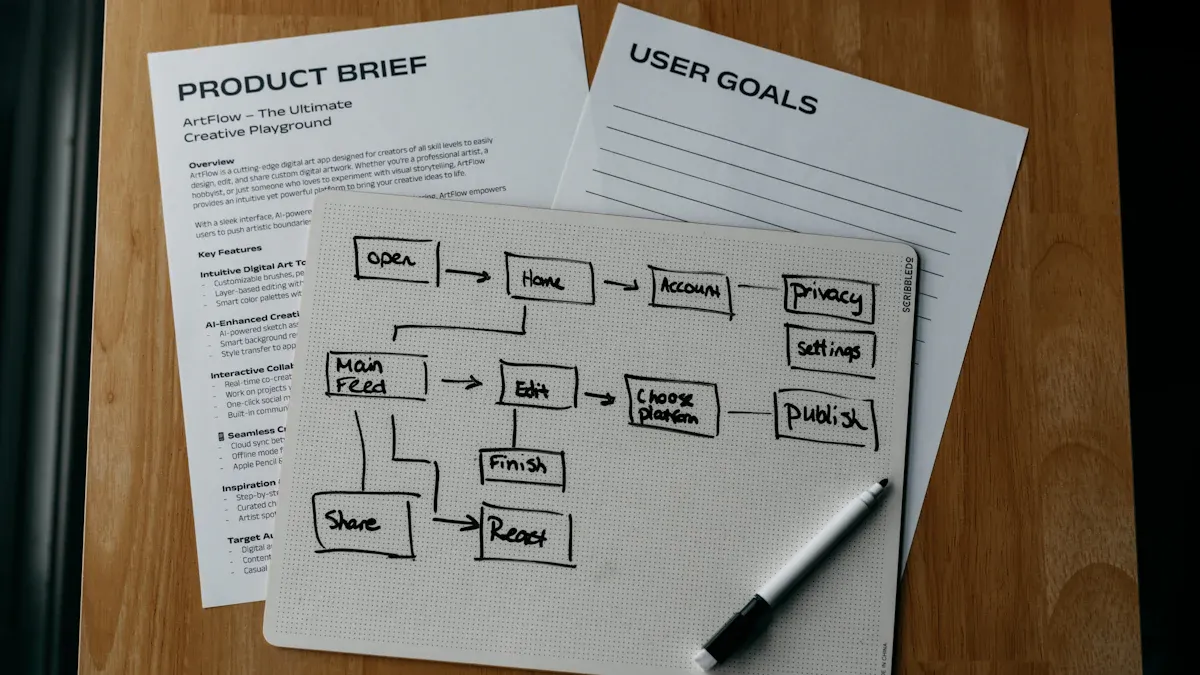
Mapping processes gives teams a clear view of how work flows from start to finish. Visual tools help everyone understand each step and see where problems might occur.
Visualize Steps
Teams can use flowcharts, SIPOC diagrams, or value stream mapping to create detailed maps of existing workflows. These tools show the current state and highlight each action, decision, and handoff.
Flowcharts outline each step in a process.
SIPOC diagrams summarize Suppliers, Inputs, Process, Outputs, and Customers.
Value stream mapping tracks the flow of materials and information.
Creating a process map often reveals 25 to 50 improvement opportunities per process.
Find Redundancies
Process maps help teams spot repeated steps, unnecessary approvals, or delays. Marking these opportunities close to their source makes it easier to address them. Teams should look for:
Steps that do not add value.
Tasks that require rework or inspection.
Delays caused by waiting for information or resources.
By identifying redundancies, teams can streamline workflows and reduce wasted effort.
Make Small Changes
Big improvements often start with small, manageable changes. Teams should focus on quick wins that deliver immediate results.
Quick Fixes
Simple adjustments, such as removing an unnecessary approval or automating a routine task, can make a big difference. The Kaizen methodology encourages continuous improvement through incremental changes. These small steps help maintain quality and build momentum for larger projects.
Evidence Description | Key Points |
|---|---|
Kaizen methodology emphasizes incremental changes | Improvements are cyclical and sustainable, ensuring quality is maintained. |
Continuous process improvement encourages adaptation | Collaboration at all levels fosters commitment and includes all voices. |
Test and Adjust
After making a change, teams should test the results and observe the impact. If the change works, they can expand it to other areas. If not, they should adjust and try again. This cycle of testing and refining ensures that improvements stick and deliver real value.
Continuous process improvement allows teams to adapt quickly and learn from each step.
A simple process improvement cycle includes:
Identify the problem.
Gather data about the current process.
Analyze the data to find bottlenecks and inefficiencies.
Implement potential solutions.
Monitor and evaluate the changes.
By following these steps, teams can achieve cost savings, time savings, and higher satisfaction for both customers and employees.
Monitor Results
Teams must monitor results to ensure process improvements deliver the intended benefits. Monitoring helps organizations track progress, measure success, and identify areas for further change. A structured approach makes this step effective and reliable.
The PDCA cycle offers a clear framework for monitoring results. Many organizations, including NASA, use this method to guide their improvement efforts. The PDCA cycle includes four steps:
Plan – Teams define the problem and develop a plan of action. They set clear objectives and decide how to measure success.
Do – Teams implement the plan. They collect data during this phase to monitor performance and capture any changes.
Check – Teams compare results to the original objectives. They assess whether the improvement worked as expected.
Act – Teams decide what to do next. If the change is effective, they scale it up. If not, they create a new plan and repeat the cycle.
Teams that follow the PDCA cycle can adapt quickly and learn from each step. NASA used this approach after the Columbia disaster. The organization investigated root causes, tested solutions, and adjusted protocols. This systematic method helped NASA monitor results and improve safety.
Teams use several tools to monitor results:
Performance dashboards display key metrics in real time.
Regular reviews help teams discuss progress and challenges.
Surveys and feedback forms gather input from employees and customers.
Data analysis tools track trends and highlight areas for improvement.
Monitoring results ensures that process improvements remain effective. Teams can spot problems early and make adjustments before issues grow. This step supports continuous improvement and helps organizations achieve lasting success.
Tip: Teams should document their findings and share them with everyone involved. Open communication builds trust and encourages ongoing improvement.
A table below summarizes common monitoring methods and their benefits:
Monitoring Method | Benefit |
|---|---|
Performance dashboards | Real-time tracking |
Regular reviews | Early problem detection |
Surveys | Insight from stakeholders |
Data analysis tools | Trend identification |
Teams that monitor results create a culture of accountability and learning. They build confidence in their process improvement efforts and deliver better outcomes for customers and employees.
Common Pitfalls
Overcomplicating
Many organizations fall into the trap of making process improvement more complex than necessary. Teams sometimes add too many steps, tools, or rules, hoping to cover every possible scenario. This approach often backfires. Complex projects increase business risks and financial costs. They strain organizational capacity and cause delays. Overly complex systems can frustrate users and lead to confusing reports. For example, a company once tried to overhaul its ERP system with too many features. The project wasted resources and failed to address the core process issues.
Keep It Simple
Teams should focus on clear, straightforward solutions. Simple changes are easier to understand, implement, and maintain. When teams keep things simple, they reduce the risk of errors and speed up results. A simple process also helps everyone stay on the same page.
Tip: Start with small, manageable improvements. Build on early successes before adding more changes.
Lack of Buy-In
Process improvement efforts often fail when team members do not feel involved. If leaders make changes without input from employees, resistance can grow. Employees may not understand the reasons for change or may feel left out. This lack of engagement can lead to poor communication and inadequate training. When people do not support the changes, the improvements rarely last.
Engage Team
Involving employees in the process leads to greater investment in outcomes. When team members provide feedback, they are more likely to support changes and reduce resistance. Teams that encourage open communication build trust and cooperation.
Employees who take part in process improvement feel valued.
Feedback from staff helps identify real problems and practical solutions.
Engaged teams adapt more quickly to new ways of working.
Note: Not involving the right people is a common pitfall. Teams should include those who know the process best.
Ignoring Data
Some organizations try to improve processes without using data. This approach can lead to misguided decisions and missed opportunities. Ignoring metrics often results in skewed insights and employee dissatisfaction. Teams may focus on outdated information, which misaligns them with current business goals. Without data, it becomes hard to measure progress or prove success.
Use Metrics
Teams should track key metrics to guide their decisions. Daily engagement with metrics enhances team focus and speeds up improvement cycles. Regularly reviewing data helps teams spot trends and adjust quickly.
Source | Evidence |
|---|---|
Lean Product Growth | Ignoring metrics leads to skewed insights, misguided decisions, and employee dissatisfaction. |
World Economic Forum | Daily engagement with metrics enhances team engagement and accelerates improvement cycles. |
Sigma Computing | Focusing on outdated metrics can misalign teams with current business objectives and miss opportunities. |
Teams that use data make better decisions and achieve stronger results.
Not Following Up
Many organizations launch process improvement initiatives with enthusiasm. However, some fail to maintain momentum after the initial rollout. When teams do not follow up, the benefits of process improvement often fade. Employees may lose interest, and the organization risks returning to old habits.
Continuous Improvement
Continuous improvement means making small, ongoing changes rather than treating process improvement as a one-time event. Teams that do not follow up after implementation face several challenges:
Employees often feel confused about the reasons for changes and the progress being made. This confusion can cause disengagement and reduce the effectiveness of the improvement effort.
Many initiatives lose traction because, after initial training, employees slip back into old routines. Without reinforcement, the new process does not become a habit.
Even when a process is improved, the benefits do not last if employees do not commit to following the new workflows. The intended improvements fail to materialize.
Teams can avoid these pitfalls by building a culture of continuous improvement. Leaders should encourage regular check-ins and celebrate small wins. When teams review progress, they can spot problems early and make adjustments. This approach keeps everyone focused on long-term goals.
A simple checklist for continuous improvement includes:
Schedule regular follow-up meetings to review progress.
Collect feedback from employees about what works and what needs adjustment.
Update process documentation to reflect any changes.
Provide ongoing training and support to reinforce new behaviors.
Recognize and reward teams for sticking with improved processes.
Regular follow-up helps teams stay on track and ensures that improvements become part of daily routines.
The table below shows the difference between organizations that follow up and those that do not:
Approach | Result |
|---|---|
Regular follow-up | Sustained improvements, engaged employees |
No follow-up | Loss of progress, return to old habits |
Continuous improvement requires commitment from everyone. Leaders play a key role by modeling the desired behaviors and providing resources for ongoing learning. Teams that embrace continuous improvement adapt quickly to change and achieve better results over time.
Teams that make follow-up a priority build a foundation for lasting success. They create an environment where improvement never stops, and everyone feels responsible for progress.
Tools and Resources
Process Mapping Tools
Teams use process mapping tools to visualize workflows and identify improvement opportunities. These tools help clarify each step in a process, making it easier to spot bottlenecks and redundancies. Flowcharts provide a clear sequence of actions, allowing teams to see how tasks move from start to finish. Value stream maps highlight areas where delays or waste occur, guiding teams toward more efficient operations. SIPOC diagrams outline suppliers, inputs, processes, outputs, and customers, offering a broad overview of how work flows through an organization.
Popular software solutions support process mapping in various ways:
ClickUp helps teams manage project process mapping.
MindMeister assists with conceptualizing company processes.
Lucidchart offers visual process mapping features.
Pipefy focuses on workflow process mapping.
EdrawMax creates professional process diagrams.
Microsoft Visio integrates process mapping with the MS Office suite.
Teams that use process mapping tools gain a better understanding of their workflows and can make targeted improvements quickly.
Task Management Apps
Task management apps play a vital role in process improvement initiatives. These applications organize tasks, track progress, and streamline communication. Teams rely on these tools to manage projects, set deadlines, and monitor performance. The following table highlights several commonly used task management apps:
App Name | Description |
|---|---|
Streamlines project management, task management, and workflows, optimizing efficiency and productivity. | |
Infinity | Helps manage multiple projects with features like reminders and automations to reduce busywork. |
GoodDay | An all-in-one project management tool that combines task management, CRM, and time tracking. |
Teams select task management apps based on their needs. Some apps focus on collaboration, while others emphasize automation or integration with other systems. These tools help teams stay organized and ensure that process improvements are implemented smoothly.
Templates and Checklists
Templates and checklists provide structure for process improvement efforts. They guide teams through each stage, ensuring that important steps are not overlooked. The A3 report offers a one-page summary of crucial process information, helping teams solve problems quickly. Kanban boards visualize workflow, track progress, and highlight bottlenecks. Reality tree diagrams analyze problems and identify constraints that hinder organizational processes.
Template/Checklist | Description |
|---|---|
A3 report | A one-page report that identifies and communicates crucial process information to help solve problems quickly. |
Kanban board | A visual workflow diagram used to track progress, identify problems, eliminate bottlenecks, and improve efficiencies. |
Reality tree diagram | Used to analyze and identify problems that hurt organizational processes and determine the greatest constraint to begin alleviating it. |
Teams often use templates and checklists from methodologies such as Six Sigma, Total Quality Management, and Lean manufacturing. These resources help teams maintain consistency, monitor progress, and achieve lasting improvements.
Templates and checklists make process improvement accessible and manageable for teams of any size.
Online Guides
Online guides help teams learn process improvement methods at their own pace. These guides break down complex ideas into simple steps. Many guides use real examples to show how businesses improve their processes. They also provide tips to avoid common mistakes.
Most online guides follow a clear structure. Teams can use these steps to start improving any process:
Define the problem or opportunity.
Collect data about the current process.
Analyze the data to find patterns or issues.
Identify potential solutions and put them into action.
Control and evaluate the changes to see if they work.
Many guides include detailed explanations of each tool. They show how to use process maps, checklists, and other resources. Teams can find step-by-step guides for implementation. These guides often share tips to avoid common pitfalls and ways to measure success.
Some online guides use tables to compare different tools. Others use diagrams to show how a process works from start to finish. Teams can follow these guides to learn new skills and improve their results.
Note: Online guides often include real-world examples. These stories help teams see how process improvement works in practice.
A good online guide will offer:
Clear instructions for each step.
Real examples from businesses.
Tips for avoiding mistakes.
Advice on measuring progress.
Teams can use these resources to build confidence and make lasting improvements.
Community Support
Community support plays a key role in process improvement. Many organizations join networks to share ideas and solve problems together. These communities give teams access to advice, mentorship, and practical tools.
Some well-known resources include:
Collaborative Improvement (CI): This network helps teams share effective practices and discuss challenges. Members focus on improving processes such as donation and transplant procedures.
Individual Member Focused Improvement (IMFI): This resource offers tailored support for specific goals. Members receive mentorship and help with project planning.
Community groups often use three fundamental questions to guide improvement:
What are we trying to accomplish?
How will we know a change is an improvement?
What changes can we make that will result in improvement?
Many communities also use the Plan-Do-Study-Act (PDSA) cycle. This method helps teams test changes and adapt for better results.
Teams that join process improvement communities gain new ideas and support. They learn from others’ experiences and avoid common mistakes.
Community support helps teams stay motivated and focused. Members can ask questions, share successes, and get feedback. This support makes process improvement easier and more effective.
Process improvement methodology gives organizations a way to see results quickly. Teams often notice better efficiency, higher quality, and more satisfied customers within 30 to 90 days.
Timeframe | Results Achieved |
|---|---|
30-90 days | Operational efficiency improves |
Quality increases | |
Customer satisfaction rises |
Small steps can lead to big changes. Anyone can start using the tools and steps shared above. Process improvement remains an ongoing journey. For more guidance, readers can reach out to the team for support.
FAQ
What is the first step in process improvement?
Teams should start by identifying pain points in their current processes. They can use feedback, data, and observation to find areas that need improvement. This step helps set clear goals for the project.
How long does it take to see results?
Most organizations notice improvements within 30 to 90 days. Small changes often lead to quick wins. Teams can track progress using simple metrics and regular reviews.
Which methodology works best for small businesses?
Lean and Kaizen work well for small businesses. These methods focus on eliminating waste and making small, continuous improvements. Teams can start with simple tools like checklists and process maps.
Can process improvement help remote teams?
Yes! Process improvement helps remote teams communicate better and reduce confusion. Task management apps and online guides support collaboration. Teams can share feedback and track progress from anywhere.
What tools are needed to start process improvement?
Teams can use process mapping tools, task management apps, and checklists. Many free and paid options exist, such as Lucidchart, Microsoft Planner, and Kanban boards. These tools help teams organize and visualize their work.
How do teams measure success in process improvement?
Teams measure success by tracking key metrics, such as time saved, error reduction, and customer satisfaction.
Regular reviews and dashboards help teams see progress and adjust as needed.
Is employee involvement important in process improvement?
Employee involvement is essential. Teams that include staff in planning and feedback gain better insights and support.
Employees know daily challenges best
Their ideas often lead to practical solutions
What if a process improvement fails?
Teams should view failure as a learning opportunity. They can use the PDCA cycle to test changes, review results, and try new solutions.
Continuous improvement means always looking for better ways to work.


