How to Choose the Right Business Process Improvement Methodology for Your Organization
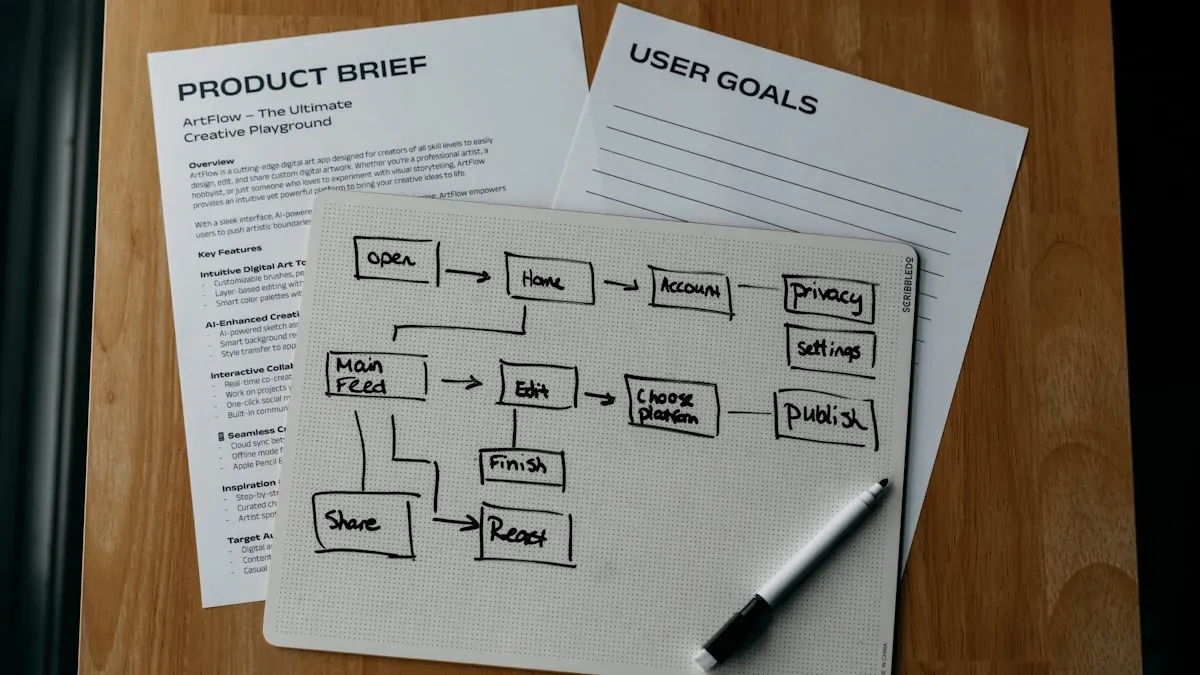
Choosing the right business process improvement methodologies can give any organization a strong advantage. Imagine a company leader faced with slow workflows or unhappy clients. They must decide which optimization steps will best serve their team, customers, and overall mission. The right fit depends on goals, available resources, and company culture. Careful alignment ensures every change supports lasting success.
Key Takeaways
Identify your organization's goals before selecting a process improvement method. Write down your top three objectives to guide your choice.
Assess your available resources, including budget and expertise. Some methods require more investment and training than others.
Consider your company culture. Choose a methodology that aligns with how your team works best to ensure smoother implementation.
Start with a pilot project to test the chosen methodology. This approach helps identify challenges and measure results before a full rollout.
Avoid overcomplicating the process. Start with simple methods to build confidence and show quick results.
Involve stakeholders in the selection process. Their input can help refine choices and increase support for changes.
Set clear metrics to track progress. Use key performance indicators to measure success and keep teams motivated.
Communicate openly about changes. Regular updates and clear explanations help build trust and encourage teamwork.
Define the Right Fit for Your Organization
Choosing the best business process improvement methodology starts with understanding what "right" means for each organization. Leaders must look at their goals, resources, and culture before making a decision. This section breaks down the key areas to assess.
Identify Goals
Strategic Objectives
Every organization sets long-term goals. These objectives guide the direction of process improvement. Leaders should ask:
What does the organization want to achieve in the next year or five years?
Does the team aim to increase market share, improve customer satisfaction, or launch new products?
Tip: Write down the top three strategic objectives. This list helps match the right methodology to the organization’s vision.
Operational Priorities
Operational priorities focus on daily activities. They support strategic objectives and keep the business running smoothly. Leaders should consider:
Which processes slow down productivity?
Where do errors or delays happen most often?
What improvements will have the biggest impact on daily operations?
A simple table can help organize priorities:
Priority Area | Current Challenge | Desired Outcome |
|---|---|---|
Order Processing | Slow turnaround | Faster delivery |
Customer Support | High complaints | Fewer issues |
Inventory Control | Stockouts | Accurate tracking |
Assess Resources
Budget
Budget limits what an organization can do. Leaders need to know:
How much money is available for process improvement?
Will the team need outside consultants or new technology?
Note: Some methodologies require more investment than others. Lean often uses existing resources, while Six Sigma may need specialized training.
Expertise
Expertise shapes how well a team can use a methodology. Leaders should review:
Does the staff have experience with process improvement?
Are there certified professionals on the team?
Will training be needed?
A skills inventory helps identify gaps and plan for support.
Evaluate Culture and Structure
Leadership Style
Leadership style affects how changes happen. Leaders should reflect on:
Does management encourage innovation or prefer stability?
Are decisions made quickly or after long discussions?
Organizations with open, supportive leaders often succeed with continuous improvement methods like Kaizen.
Readiness for Change
Readiness for change measures how prepared the team feels. Leaders should ask:
Do employees welcome new ideas?
Has the organization managed change well in the past?
Alert: If the team resists change, start with small improvements. Build trust before moving to larger projects.
By assessing goals, resources, and culture, leaders set a strong foundation for choosing the right business process improvement methodology.
Overview of Business Process Improvement Methodologies
Lean
Lean stands out among business process improvement methodologies for its focus on eliminating waste. Organizations use Lean to identify steps in a process that do not add value. They remove these steps to make workflows smoother.
Waste Reduction
Lean encourages teams to look for seven types of waste. These include overproduction, waiting, unnecessary movement, and defects. By reducing waste, companies save money and time. Employees learn to spot problems early and suggest solutions.
Efficiency Focus
Lean also helps organizations improve efficiency. Teams map out each process and find ways to speed up tasks. Leaders often use visual tools like value stream mapping. This method works well for companies that want quick results with minimal investment.
Tip: Lean fits best in environments where small changes can lead to big improvements.
Six Sigma & DMAIC
Six Sigma is another popular choice in business process improvement methodologies. It aims to reduce defects and improve quality. The DMAIC framework guides teams through five steps: Define, Measure, Analyze, Improve, and Control.
Defect Reduction
Six Sigma focuses on finding and removing errors. Teams collect data to understand where problems happen. They use statistical tools to analyze results. This approach works well for organizations that need high accuracy, such as manufacturing or healthcare.
Data-Driven Approach
Six Sigma relies on facts and numbers. Teams measure performance before and after changes. Leaders use charts and graphs to track progress. This method requires trained staff, often called Green Belts or Black Belts.
DMAIC Step | Purpose |
|---|---|
Define | Set project goals |
Measure | Collect data |
Analyze | Find root causes |
Improve | Make changes |
Control | Sustain improvements |
Total Quality Management (TQM)
Total Quality Management takes a broad approach. It involves everyone in the organization. TQM aims for long-term success by focusing on quality in every process.
Organization-Wide Quality
TQM encourages all employees to take responsibility for quality. Leaders set standards and provide training. Teams work together to solve problems and share ideas. This method fits organizations that want lasting change.
Customer Satisfaction
TQM also puts customers first. Teams gather feedback and use it to improve products and services. Companies measure satisfaction regularly. They adjust processes to meet customer needs.
Note: TQM works best in organizations with strong teamwork and open communication.
Kaizen & Continuous Improvement
Kaizen stands for "change for the better." Many organizations use this approach to make small, steady improvements. Kaizen focuses on daily actions that help teams work smarter. Leaders encourage everyone to look for ways to improve their tasks. This method fits well with companies that want to build a culture of ongoing progress.
Incremental Changes
Kaizen values small steps. Teams do not wait for big projects. They make tiny adjustments every day. Over time, these changes add up to major improvements. For example, a team might rearrange tools for faster access or update a checklist to prevent mistakes. These small wins boost morale and keep people engaged.
Employee Involvement
Kaizen depends on everyone’s ideas. Employees at all levels share suggestions. Leaders listen and support these efforts. This teamwork builds trust and helps people feel valued. Companies that use Kaizen often see better communication and higher job satisfaction.
Tip: Kaizen works best when leaders create a safe space for feedback and reward new ideas.
Plan-Do-Check-Act (PDCA)
The Plan-Do-Check-Act cycle gives teams a simple way to test and improve processes. Many organizations use PDCA to solve problems and try out new ideas. This cycle repeats, so teams can keep making things better.
Iterative Process
PDCA follows four steps. First, teams plan a change. Next, they do the change on a small scale. Then, they check the results. Last, they act by keeping the change or trying something new. This cycle helps teams learn from each attempt. In manufacturing, PDCA helps companies improve quality and efficiency. Teams use this method to plan, test, analyze, and refine their work. This structured approach keeps organizations competitive in a fast-changing market.
Application Scope
PDCA fits many situations. Teams use it for small fixes or large projects. It works in offices, factories, and service businesses. PDCA helps teams build a habit of checking their work and finding better ways to do things.
Business Process Re-engineering (BPR)
Business Process Re-engineering stands out among Business Process Improvement Methodologies for its bold approach. BPR asks teams to rethink how work gets done. Instead of making small changes, BPR looks for ways to redesign entire processes.
Radical Redesign
BPR means starting fresh. Teams map out current steps and ask, “What if we did this differently?” They remove steps that do not add value. Sometimes, they use new technology or change roles. This method works best when old processes no longer meet business needs.
Performance Gains
BPR aims for big results. Teams want faster service, lower costs, or better quality. BPR can help companies handle rapid growth or tough competition. Leaders must prepare for major changes and support their teams through the transition.
Alert: BPR requires strong leadership and clear communication. Teams need training and support to succeed.
Business Process Management (BPM)
Business Process Management (BPM) stands as a structured approach for organizations that want to oversee and improve their processes. BPM helps leaders design, monitor, and optimize workflows. Many companies use BPM to create a clear path for tasks and responsibilities. This method fits organizations that need consistency and control across many departments.
Process Governance
Process governance gives structure to how teams manage their work. Leaders set rules and standards for each process. They assign roles and responsibilities to make sure every step follows the plan. BPM uses software tools to track progress and flag issues. Teams can see who owns each task and what comes next. This visibility helps prevent confusion and delays.
A simple governance framework often includes:
Clear process maps
Defined roles for each team member
Regular reviews of process performance
Leaders use these tools to keep everyone on track. They can spot problems early and make changes before issues grow. BPM works well for organizations with complex operations or strict regulations.
Tip: Strong process governance helps teams avoid mistakes and maintain quality.
Consistency and Measurement
Consistency means every team follows the same steps each time. BPM creates standard operating procedures for important tasks. These procedures help teams deliver reliable results. Leaders use checklists and templates to guide work. Employees know what to do and when to do it.
Measurement plays a key role in BPM. Leaders set goals for each process. They collect data to see how well teams meet these goals. BPM software tracks metrics like speed, accuracy, and cost. Teams review this data to find areas for improvement.
Metric | What It Measures | Why It Matters |
|---|---|---|
Cycle Time | Time to complete task | Shows efficiency |
Error Rate | Mistakes per process | Highlights quality |
Cost per Process | Money spent | Reveals savings |
Leaders use these numbers to make decisions. They adjust processes to improve results. BPM supports ongoing improvement by making it easy to measure success.
Note: BPM fits organizations that want to scale operations or manage many processes at once.
Business Process Management stands out among Business Process Improvement Methodologies for its focus on structure, measurement, and control. Organizations that need reliable, repeatable results often choose BPM to guide their teams and drive performance.
Key Criteria for Methodology Selection

Alignment with Objectives
Organizations must select a methodology that matches their main goals. Leaders should review both strategic and operational objectives before making a choice. For example, a company that wants to improve customer satisfaction should consider methods that focus on quality and feedback. If the goal is to reduce costs, leaders may look for approaches that target waste and inefficiency.
A clear connection between objectives and methodology helps teams stay focused. When everyone understands the purpose, they work together more effectively. Leaders should ask these questions:
Does the methodology support the company’s long-term vision?
Will it help solve the most pressing problems?
Can it deliver results that matter to customers and stakeholders?
Tip: Teams that align their process improvement efforts with business goals see better results and higher engagement.
Scalability
Scalability describes how well a methodology can grow with the organization. Some Business Process Improvement Methodologies work best for small teams or single departments. Others can expand to cover the entire company. Leaders should think about future needs when choosing a method.
A scalable approach allows organizations to start small and build over time. For example, Lean can begin with one process and then spread to others. Six Sigma often starts with pilot projects before moving to larger areas. Leaders should consider these points:
Can the methodology handle more users or bigger projects?
Will it work for different departments or locations?
Does it offer tools and training for growth?
A scalable methodology saves time and resources. It helps organizations adapt to changes and new challenges.
Complexity
Complexity measures how difficult a methodology is to understand and use. Some methods require advanced skills and detailed analysis. Others use simple steps and encourage teamwork. Leaders must choose a level of complexity that fits their team’s experience.
Organizations new to process improvement often benefit from methods with lower complexity. These approaches help teams learn and build confidence. The table below shows two options that are easy to manage for beginners:
Methodology | Description |
|---|---|
Engages employees at all levels to build commitment and generate meaningful changes from the ground up. | |
Kaizen | Focuses on continuous, incremental improvements over time, ensuring sustainability and quality maintenance. |
Teams with more experience may choose complex methods like Six Sigma or Business Process Management. These require training and specialized tools. Leaders should ask:
Does the team have the skills to use the methodology?
Will it require outside experts or consultants?
Can employees learn the steps quickly?
Note: Choosing a manageable level of complexity helps teams succeed and reduces frustration.
Required Expertise
Every business process improvement methodology demands a certain level of expertise. Some methods need specialized knowledge, while others rely on basic problem-solving skills. Leaders must evaluate the current skill set of their teams before making a choice.
Lean and Kaizen often require a practical mindset and a willingness to learn. Most employees can participate after short training sessions.
Six Sigma and Business Process Management (BPM) need more technical skills. Teams may need certified professionals, such as Green Belts or Black Belts, to analyze data and lead projects.
Business Process Re-engineering (BPR) calls for strong analytical thinking and experience in change management. Teams must understand how to map processes and redesign workflows.
Total Quality Management (TQM) works best when employees at all levels understand quality principles and teamwork.
Tip: Leaders should create a skills inventory. This list helps identify gaps and plan for training or hiring.
A simple table can help compare the expertise needed for each methodology:
Methodology | Expertise Needed | Training Required? |
|---|---|---|
Lean | Basic process knowledge | Minimal |
Kaizen | Teamwork, open mindset | Minimal |
Six Sigma | Statistical analysis, certification | Moderate to High |
TQM | Quality principles, collaboration | Moderate |
BPR | Process mapping, change management | High |
BPM | Process design, software skills | Moderate to High |
Teams with limited experience may start with Lean or Kaizen. Organizations with access to experts can consider Six Sigma or BPM. Matching the methodology to the team’s expertise increases the chance of success.
Cost and Time
Cost and time play a major role in methodology selection. Each approach comes with different financial and time commitments. Leaders must weigh these factors against expected benefits.
Lean and Kaizen usually require less investment. Teams can use existing resources and see results quickly.
Six Sigma and BPM often involve higher costs. These methods may need specialized software, external consultants, or certification programs.
BPR can be expensive and time-consuming. Teams may need to redesign entire processes, invest in new technology, or restructure departments.
TQM sits in the middle. It needs ongoing training and regular reviews but spreads costs over time.
Note: Quick wins from Lean or Kaizen can build momentum and justify further investment.
A cost and time comparison table helps clarify the differences:
Methodology | Typical Cost Level | Time to See Results |
|---|---|---|
Lean | Low | Short (weeks/months) |
Kaizen | Low | Short (weeks/months) |
Six Sigma | High | Medium (months) |
TQM | Medium | Long (months/years) |
BPR | High | Long (months/years) |
BPM | High | Medium to Long |
Leaders should consider both the upfront investment and the time needed to achieve results. Choosing a methodology that fits the organization’s budget and timeline helps ensure a smoother implementation and better outcomes.
Step-by-Step Selection Process
Assess Current Processes
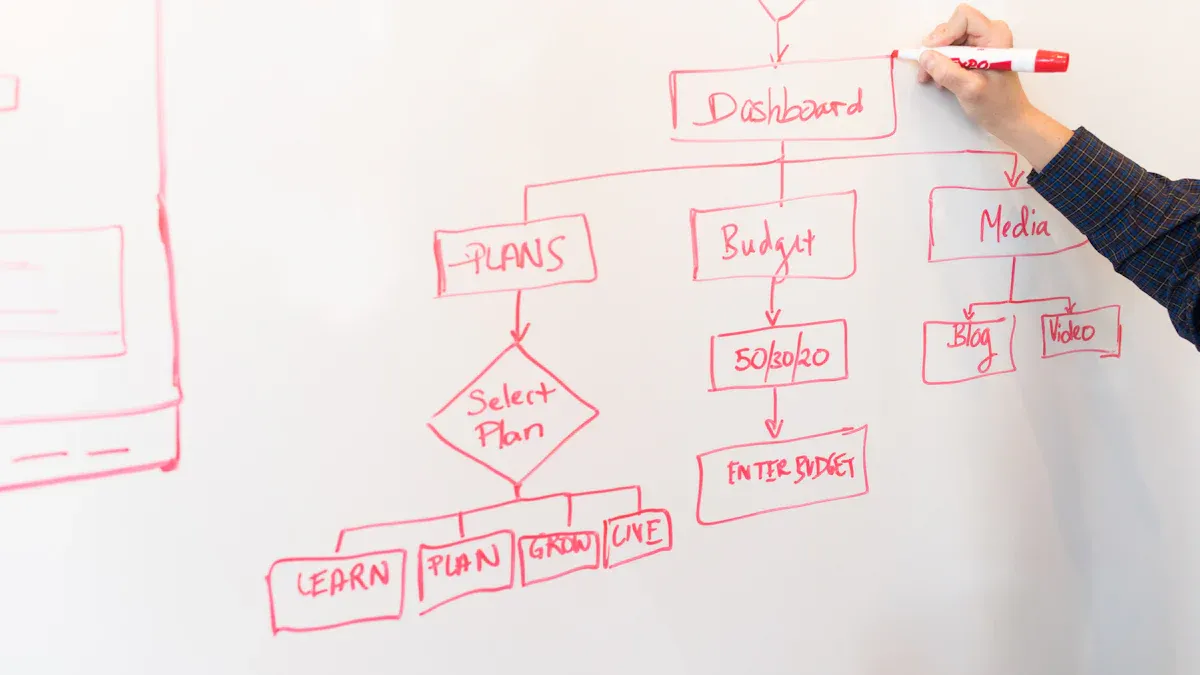
Organizations begin by examining their current workflows. Teams map out each step in their daily operations. They look for bottlenecks, delays, and areas where mistakes happen often. Leaders ask employees to describe how tasks move from start to finish. This review helps everyone see where problems exist.
A simple checklist can guide the assessment:
List all major processes in each department.
Identify steps that take the most time.
Note where errors or rework occur.
Gather feedback from employees who use these processes every day.
Teams use this information to create a clear picture of their strengths and weaknesses. Leaders often find that some processes work well, while others need improvement. This step sets the stage for choosing the best approach.
Match Needs to Methodology Strengths
After reviewing current processes, organizations compare their needs to the strengths of different improvement methods. Leaders focus on what they want to achieve, their company culture, available resources, and how quickly they need results.
The following list shows how organizations can match needs to methodology strengths:
Match goals: Agile works well for fast delivery. Six Sigma fits when error reduction is the priority.
Check culture: Kaizen encourages employee involvement. A top-down approach suits organizations with strong central leadership.
Evaluate complexity: Lean or SIPOC help manage complex supply chains or many stakeholders.
Review resources: Six Sigma requires strong data skills. The 5 Whys method fits teams with limited analytics tools.
Consider timelines: PDCA or Agile deliver quick improvements. Rigorous methods like Six Sigma need more time.
Leaders use these points to narrow down their options. They select a methodology that aligns with their goals and fits their team’s abilities. This careful matching increases the chance of success.
Involve Stakeholders
Stakeholder involvement plays a key role in the selection process. Leaders invite team members, managers, and sometimes customers to share their views. They hold meetings to discuss challenges and possible solutions. Everyone gets a chance to voice concerns and suggest ideas.
A table can help organize stakeholder input:
Stakeholder Group | Main Concerns | Suggested Solutions |
|---|---|---|
Employees | Training needs | Simple methods, support |
Managers | Cost and timelines | Scalable approaches |
Customers | Service quality | Focus on satisfaction |
Leaders use this feedback to refine their choices. When stakeholders feel included, they support changes and help make improvements stick. This step builds trust and encourages teamwork throughout the process.
Pilot and Review
Organizations benefit from testing a business process improvement methodology before rolling it out across the company. A pilot project allows teams to see how the chosen method works in real situations. This step helps leaders identify challenges, measure results, and make adjustments.
Steps to Run a Pilot:
Select a Process:
Teams pick one process or department for the pilot. They often choose an area with clear problems or quick improvement potential.Set Clear Goals:
Leaders define what success looks like. They set measurable targets, such as reducing errors by 20% or cutting process time in half.Train the Team:
Staff members receive training on the new methodology. They learn the steps, tools, and expected outcomes.Implement the Methodology:
The team applies the chosen method to the selected process. They follow each step carefully and document changes.Monitor Progress:
Leaders track key metrics during the pilot. They collect data on speed, quality, and costs.Gather Feedback:
Team members share their experiences. Leaders listen to concerns and suggestions for improvement.
Tip: Start with a small, manageable pilot. This approach reduces risk and builds confidence.
Reviewing the Pilot:
After the pilot, leaders review the results. They compare actual outcomes to the goals set at the start. A simple table helps organize findings:
Goal | Target Outcome | Actual Result | Gap/Improvement |
|---|---|---|---|
Reduce errors | 20% fewer | 18% fewer | -2% |
Shorten process time | 50% faster | 45% faster | -5% |
Leaders analyze what worked and what did not. They identify reasons for any gaps. Teams discuss lessons learned and decide if the methodology fits the organization.
Next Steps:
If the pilot succeeds, leaders plan a wider rollout.
If results fall short, teams adjust the approach or consider another methodology.
Note: Piloting and reviewing help organizations avoid costly mistakes. This step ensures the chosen method delivers real value before full-scale adoption.
Common Mistakes to Avoid
Choosing a business process improvement methodology can help organizations grow. However, some common mistakes can slow progress or even cause failure. Leaders should watch for these pitfalls to keep their improvement efforts on track.
Overcomplicating
Many organizations try to do too much at once. They may choose a complex methodology with many steps, tools, and rules. This can overwhelm teams and slow down progress. Employees may feel confused or frustrated if they do not understand the process.
Teams should start simple.
Leaders can pick one or two tools that fit their needs.
Small wins build confidence and show value quickly.
Tip: Simplicity often leads to better results. Teams can always add more steps later if needed.
A table can help compare simple and complex approaches:
Approach | Pros | Cons |
|---|---|---|
Simple | Easy to learn, quick wins | May miss deeper problems |
Complex | Covers more details | Hard to manage, slow start |
Ignoring Culture Fit
Every organization has its own culture. Some teams like to try new ideas. Others prefer to follow set routines. If leaders choose a methodology that does not match the company culture, employees may resist change.
Leaders should ask if the team likes teamwork or works better alone.
Some methods, like Kaizen, need open communication and trust.
Others, like BPR, require strong leadership and clear direction.
Alert: Ignoring culture fit can lead to low morale and poor results. Leaders should match the method to how their teams work best.
Underestimating Training Needs
Many leaders think teams can use a new methodology without much training. This mistake can cause confusion and errors. Employees need to know what to do and why it matters.
Leaders should plan for training before starting.
Teams may need workshops, guides, or coaching.
Ongoing support helps teams use new tools correctly.
Note: Investing in training saves time and money in the long run. Well-trained teams make fewer mistakes and reach goals faster.
By avoiding these common mistakes, organizations can improve their chances of success. Leaders who keep things simple, respect company culture, and invest in training set their teams up for lasting improvement.
Implementation Tips for Success
Set Metrics
Successful business process improvement starts with clear metrics. Teams and systems need to know what success looks like before they begin. Leaders should select a few key performance indicators (KPIs) that match their goals. These might include cycle time, error rates, or customer satisfaction scores.
A simple table helps teams track progress:
Metric | Baseline Value | Target Value | Current Value |
|---|---|---|---|
Cycle Time | 10 days | 6 days | 7 days |
Error Rate | 5% | 2% | 3% |
Customer Satisfaction | 80% | 90% | 88% |
Teams at systems and teams often use dashboards to display these metrics. This approach keeps everyone focused on results. When teams see their progress, they stay motivated and adjust their actions as needed.
Tip: Choose metrics that are easy to measure and understand. Clear numbers help everyone see the impact of their efforts.
Communicate Clearly
Clear communication supports every step of process improvement. Leaders must explain the reasons for change and the benefits for both systems and teams. Regular updates keep everyone informed and reduce confusion.
Teams at systems and teams hold short daily meetings to share progress and challenges. These meetings help team members ask questions and offer suggestions. Leaders use visual aids, such as charts or process maps, to make information easy to understand.
Share goals and updates in team meetings.
Use simple language and avoid jargon.
Encourage questions and feedback from all team members.
Note: Open communication builds trust. When everyone understands the plan, they work together more effectively.
Monitor and Adjust
Monitoring progress ensures that improvements last. Teams and systems should review their metrics regularly. If results fall short, leaders help teams find the cause and make changes.
A checklist for monitoring and adjusting includes:
Review KPIs weekly or monthly.
Compare results to targets.
Identify gaps or unexpected issues.
Adjust processes or training as needed.
Clients at systems and teams have found that regular reviews help them catch problems early. They use feedback from these reviews to refine their methods and achieve better results over time.
Alert: Continuous monitoring and adjustment turn small improvements into lasting success. Teams that stay flexible can respond quickly to new challenges.
By setting clear metrics, communicating openly, and monitoring progress, organizations give their systems and teams the best chance for successful business process improvement.
Selecting the right business process improvement methodology requires careful thought. Leaders should review their goals, resources, and company culture. They can start by piloting a method or involving key stakeholders. Taking the first step builds momentum for lasting change. Those who want to learn more about how systems and teams can support their journey can reach out for further guidance. 🚀
FAQ
What is the main benefit of using a business process improvement methodology?
A business process improvement methodology helps organizations work smarter. Teams can reduce waste, improve quality, and deliver better results. Leaders see clearer workflows and higher employee engagement.
How does an organization know which methodology to choose?
Leaders should match the methodology to their goals, resources, and company culture. They can review strengths and weaknesses, then select the approach that fits best. A pilot project often helps confirm the choice.
Can small businesses use these methodologies?
Yes. Small businesses can use Lean, Kaizen, or PDCA. These methods require fewer resources and offer quick results. Teams can start with simple steps and expand as they grow.
How long does it take to see results?
Results depend on the chosen methodology and the process being improved. Lean and Kaizen often show changes within weeks. Six Sigma or BPR may take months to deliver noticeable improvements.
Do teams need special training?
Some methodologies, like Six Sigma or BPM, require specialized training. Others, such as Lean or Kaizen, need only basic instruction. Leaders should assess team skills and provide training as needed.
What if employees resist process changes?
Leaders can involve employees early and explain the benefits. Open communication and small pilot projects help build trust. Teams often accept changes when they see positive results.
Can organizations combine different methodologies?
Yes. Many organizations blend methods to fit their needs. For example, they may use Lean for waste reduction and PDCA for ongoing improvement. Combining approaches can maximize results.


