3 Easy Steps Using Methodology for Process Improvement
Process improvement becomes manageable with three simple Optimization Steps. First, identify and analyze the current process. Second, implement solutions that fit the team's needs. Third, monitor and refine results for lasting change. Several proven options exist within Methodology for Process Improvement. They support Business Management goals and help strengthen Hiring Systems. This guide shows a direct path to better performance.
Key Takeaways
Identify and analyze your current process to uncover issues and improve efficiency.
Choose the right methodology for your team's needs, such as Six Sigma for quality or Lean for waste reduction.
Involve your team in brainstorming solutions to foster creativity and engagement.
Differentiate between quick wins and long-term fixes to maintain steady progress.
Monitor results using metrics and KPIs to ensure your improvements are effective.
Gather feedback regularly from team members to refine processes and address concerns.
Celebrate successes to boost morale and encourage ongoing improvement.
Document changes to ensure that improvements are maintained and easily shared with new team members.
Methodology for Process Improvement
Popular Approaches
Organizations use several popular approaches to improve processes. Each methodology for process improvement offers unique strengths and focuses.
Six Sigma
Six Sigma aims to reduce errors and defects. Teams use data and statistical analysis to find problems and improve quality. This approach follows a structured path called DMAIC: Define, Measure, Analyze, Improve, and Control.
Lean
Lean focuses on removing waste and increasing value. Teams identify steps that do not add value and work to eliminate them. Lean encourages continuous improvement and respects team input.
PDCA
PDCA stands for Plan, Do, Check, Act. This cycle helps teams test changes and learn from results. Teams plan a change, try it, check the outcome, and act based on what they learn. PDCA supports ongoing improvement.
TQM
Total Quality Management (TQM) builds quality into every part of an organization. Teams work together to meet customer needs and improve processes. TQM values leadership, teamwork, and a focus on customers.
Kaizen
Kaizen means "change for the better." Teams using Kaizen make small, daily improvements. Everyone in the organization can suggest ideas. Over time, these small changes lead to big results.
Tip: Teams can use a combination of these approaches to fit their unique needs.
Choosing the Right Methodology
Selecting the best methodology for process improvement depends on several factors. Teams should consider their goals, size, and current challenges.
Assess Your Needs
Teams start by looking at their main problems. Some may need to cut costs, while others want to improve quality. For example, Six Sigma works well for reducing errors, while Lean helps remove waste. Teams should match their needs with the strengths of each methodology for process improvement.
Consider Team Size and Goals
Smaller teams may prefer simple cycles like PDCA or Kaizen. Larger organizations may benefit from structured methods like Six Sigma or TQM. Teams should also think about their long-term goals. If the goal is ongoing improvement, Kaizen or Lean may fit best.
Methodology | Best For | Team Size |
|---|---|---|
Six Sigma | Reducing defects | Medium-Large |
Lean | Cutting waste | Any |
PDCA | Testing changes | Small-Medium |
TQM | Quality culture | Large |
Kaizen | Daily improvements | Any |
Teams that choose the right methodology for process improvement see better results and lasting change.
Step 1: Identify and Analyze
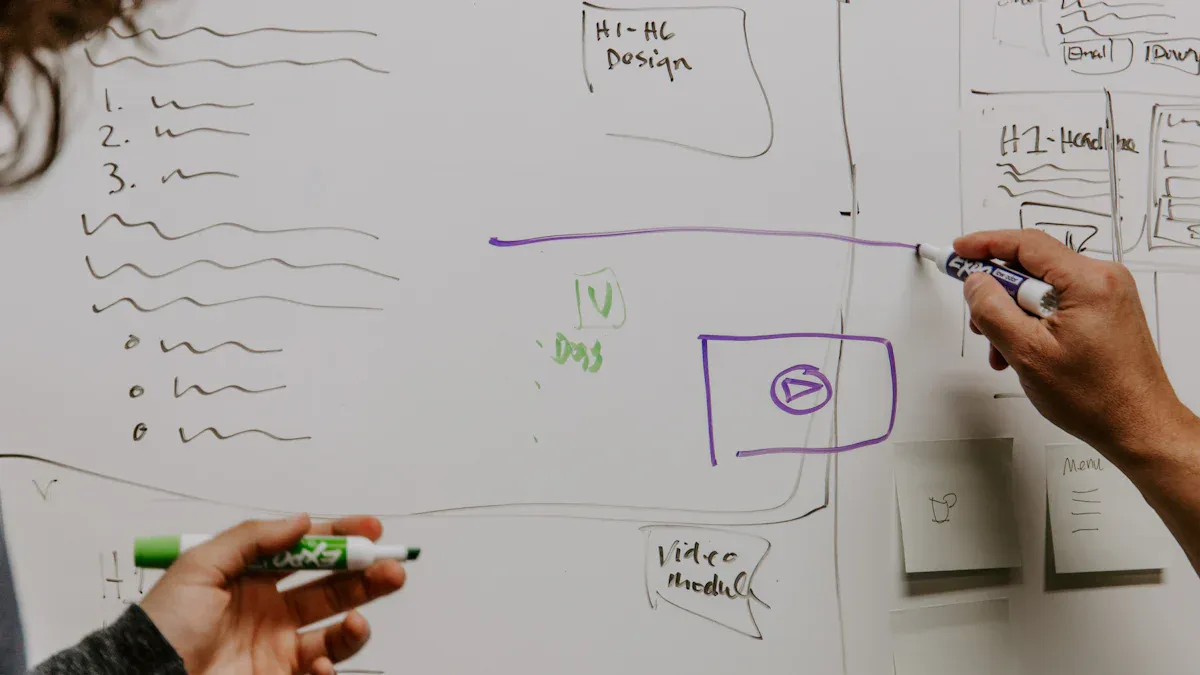
The first step in any process improvement journey involves careful identification and analysis. Teams must select the right process, map it clearly, and uncover the real issues holding back performance.
Select a Process
Choosing which process to improve sets the foundation for success. Teams often target processes that directly impact efficiency, quality, or customer satisfaction.
Spot Bottlenecks
Bottlenecks slow down workflow and reduce productivity. Teams can use several methods to spot these trouble areas:
Correlation analysis helps teams see which performance metrics change together. This method reveals hidden constraints in the process.
Heat mapping visualizes relationships between metrics over time. Patterns that do not appear in raw data become clear with this approach.
Comprehensive monitoring before performance testing captures both system-level and application-level metrics. This step ensures teams do not miss critical data.
Tip: Value Stream Mapping provides a visual overview of production flow. Teams can quickly spot improvement opportunities by mapping each step.
Prioritize Impact
Not every process needs immediate attention. Teams should focus on areas where improvements will have the greatest effect. Lean and Kaizen both encourage teams to look for waste and opportunities for continuous improvement. By prioritizing high-impact processes, organizations achieve faster and more meaningful results.
Map the Process
A clear map of the process helps everyone understand how work flows from start to finish.
Use Flowcharts
Flowcharts break down each step in a process. They make it easy to see where tasks overlap, repeat, or stall. Value Stream Mapping is another tool that visually maps the flow of production. This method highlights where delays or waste occur, guiding teams to the right improvement targets.
Team Input
Team members who work with the process every day offer valuable insights. Their input helps create accurate maps and uncovers steps that may not appear in official documents. Kaizen emphasizes involving all employees in the improvement process. When everyone shares ideas, the team builds a more complete picture of the process.
Find Issues
After mapping the process, teams must dig deeper to find the root causes of problems.
Root Cause Analysis
Root Cause Analysis focuses on finding underlying problems, not just symptoms. Teams should avoid rushing this step. Skipping critical analysis or blaming human error can lead to missed opportunities for real improvement. Management involvement and commitment play a key role in making this analysis effective.
Common pitfalls in root cause analysis include:
Overlooking critical steps by moving too quickly.
Blaming individuals instead of investigating systemic issues.
Lacking support from leadership, which reduces the impact of findings.
Collect Data
Accurate data collection supports strong analysis. Teams should:
Define monitoring goals and scope. Clear objectives help teams focus on the right areas, such as efficiency or bottleneck identification.
Identify process monitoring metrics and KPIs. Common examples include cycle times and resource utilization.
Set up data collection and integration. Gathering data from multiple sources ensures quality and consistency.
By following these steps, teams lay a strong foundation for the next phases of the Methodology for Process Improvement. Careful identification and analysis lead to smarter solutions and lasting results.
Step 2: Implement Solutions
Brainstorm Ideas
Teams begin the solution phase by generating ideas for improvement. Effective brainstorming starts with a clear problem statement and a kickoff activity, such as a virtual icebreaker. This approach helps everyone focus and feel comfortable sharing thoughts. Teams can brainstorm together or asynchronously, allowing for flexibility and inclusivity.
Encourage rapid idea generation to build momentum.
Explore problems from different angles using the 'six hats' method.
Use quick-fire techniques like Rapid Writing to create energy and urgency.
Conduct a SWOT analysis to consider strengths, weaknesses, opportunities, and threats.
After collecting ideas, teams synthesize and prioritize them. This step ensures alignment with organizational goals and sets the stage for action.
Team Collaboration
Collaboration drives creativity and engagement. Team members contribute unique perspectives, leading to a wider range of solutions. Open communication and respect for all ideas foster a positive environment. Teams that collaborate effectively often discover innovative approaches that might not surface in individual work.
Quick Wins vs. Long-Term Fixes
Teams should distinguish between quick wins and long-term fixes. Quick wins deliver immediate improvements with minimal effort. These solutions boost morale and show progress. Long-term fixes address deeper issues and require more planning. Balancing both types ensures steady progress and lasting change.
Choose Solutions
Selecting the best solutions requires careful evaluation. Teams assess feasibility and seek buy-in from stakeholders.
Feasibility
Feasibility checks help teams avoid wasted effort. Solutions must fit within technical infrastructure, available features, and vendor support. The table below outlines key considerations:
Evaluation Area | Key Considerations |
|---|---|
Technical Infrastructure | Cloud-based technology, mobile applications, data security |
Features | Robust reporting, visual management, configurable dashboards, notifications, advanced search capabilities |
Vendor Support | Expert support, online documentation, continuous improvement resources |
Teams use these criteria to compare options and select the most practical solutions.
Stakeholder Buy-In
Stakeholder support increases the chances of successful implementation. Teams present their chosen solutions, explain benefits, and address concerns. Involving stakeholders early helps build trust and reduces resistance.
Take Action
Once teams select solutions, they move to implementation. A clear plan and defined roles ensure smooth execution.
Action Plan
An action plan outlines steps, timelines, and responsibilities. Teams develop strategies that align with organizational goals. They put these strategies into action and monitor progress to track effectiveness.
Tip: Teams should adjust their plans as needed to respond to new information or challenges.
Assign Roles
Assigning roles clarifies who does what. Each team member knows their tasks and deadlines. This structure prevents confusion and keeps the project on track.
Teams that follow these steps within the Methodology for Process Improvement create a strong foundation for lasting change. They move from ideas to action with confidence and clarity.
Step 3: Monitor and Refine

Continuous improvement depends on careful monitoring and thoughtful refinement. Teams must measure results, gather feedback, and adjust solutions to achieve lasting success.
Measure Results
Metrics and KPIs
Teams use metrics and key performance indicators (KPIs) to track the effectiveness of process changes. Metrics such as cycle time, error rates, and customer satisfaction scores provide clear data. KPIs help teams see if they meet their goals. Selecting the right metrics ensures that teams focus on what matters most.
Progress Tracking
Tracking progress keeps everyone aligned and motivated. Best practices for progress tracking include:
Involving the team from the beginning to ensure engagement and gather frontline insights.
Visualizing the end goal to maintain focus and measure progress accurately.
Planning milestones to break the project into manageable phases and track progress.
Setting deadlines to create urgency and provide metrics for measuring progress.
Teams that follow these practices can spot issues early and celebrate achievements along the way.
Get Feedback
Team Input
Team input plays a vital role in refining processes. Team members often notice small issues or improvements that others might miss. Regular meetings and open discussions encourage honest feedback. When teams share their experiences, they help identify what works and what needs adjustment.
Surveys
Surveys offer another way to collect feedback. Simple surveys can ask about satisfaction, challenges, or suggestions for improvement. Anonymous responses often lead to more honest answers. Teams use survey results to guide future changes and address concerns quickly.
Adjust and Improve
Tweak Solutions
Refining a process requires a structured approach. Teams often:
Pick the right method. Lean works best for waste elimination, Six Sigma targets quality issues, and Kaizen supports continuous improvement.
Design improved processes. Solutions should address root causes and involve stakeholders in the design.
Test and pilot changes. Small tests with a willing team, clear success criteria, and measured results help reduce risk.
Monitor and sustain results. Teams track performance after implementation, schedule regular reviews, and adjust based on results.
This approach ensures that improvements last and adapt to changing needs.
Celebrate Success
Recognizing achievements boosts morale and encourages continued effort. Teams can celebrate by sharing results, highlighting individual contributions, or organizing small events. Celebrating success reminds everyone that their work makes a difference and motivates them to keep improving.
Tip: Regular recognition helps build a culture of continuous improvement and keeps teams engaged.
Common Pitfalls
Process improvement projects often face obstacles that can slow progress or even cause failure. Recognizing these common pitfalls helps teams avoid mistakes and achieve better results.
Overcomplicating
Many teams try to solve problems by adding layers of complexity. They may introduce too many steps, tools, or approval processes. This approach can confuse team members and slow down progress. Simple solutions often work best. Teams should focus on clear goals and remove unnecessary steps. When a process becomes too complex, employees may lose motivation or make more mistakes. A straightforward plan keeps everyone on track and makes it easier to measure success.
Tip: Use visual aids like flowcharts to keep processes simple and easy to understand.
Ignoring Input
Team members who work with a process every day have valuable insights. When leaders ignore their input, important details get missed. Employees may feel undervalued and less likely to support changes. Teams that listen to all voices find more practical solutions. Open communication encourages trust and helps uncover hidden problems. Regular meetings and feedback sessions give everyone a chance to share ideas. Involving employees in decision-making leads to stronger buy-in and smoother implementation.
Encourage team members to share their experiences.
Use surveys or suggestion boxes to collect feedback.
Recognize contributions to build a positive culture.
No Follow-Up
Some teams stop paying attention after making changes. They assume the new process will work without further effort. This mistake can lead to serious risks. Without follow-up, employees may slip back into old habits. The new process loses its impact, and the organization misses out on lasting improvement. Ongoing support and accountability are essential. Leaders must reinforce new behaviors and check progress regularly. When sponsors fail to provide enough time or resources, change initiatives often stall. Addressing the human side of change is just as important as technical fixes.
Note: Teams that maintain follow-up see better results and prevent setbacks. Regular check-ins help reinforce new habits and keep everyone focused on improvement.
By understanding these pitfalls, teams can plan better and avoid common mistakes. Staying alert to these risks increases the chances of successful process improvement.
Continuous Improvement Tips
Build a Culture
A strong culture of continuous improvement helps organizations grow and adapt. Leaders invest in training and upskilling to give employees the tools they need. They promote a growth mindset, which means team members believe they can learn and improve. Open communication and constructive feedback create trust among team members. Leaders recognize and reward excellence to motivate everyone. They encourage innovation and allow experimentation without fear of failure. Teams monitor, measure, and adjust strategies regularly to stay on track.
Invest in training and upskilling for all team members.
Promote a growth mindset across the organization.
Encourage open communication and constructive feedback.
Recognize and celebrate excellence to boost morale.
Embrace innovation and support new ideas.
Allow experimentation and accept that mistakes can lead to learning.
Monitor progress and adjust strategies as needed.
Tip: Small, daily improvements add up to big results over time.
Communicate
Clear communication keeps everyone informed and engaged. Teams use meetings, emails, and digital tools to share updates. Leaders explain the reasons behind changes and listen to feedback from all levels. Open channels help team members ask questions and share ideas. Trust grows when everyone feels heard and respected.
Use regular meetings to discuss progress and challenges.
Share updates through emails or team platforms.
Listen to feedback and respond quickly.
Make sure everyone understands their role in the process.
Note: Good communication builds trust and helps teams solve problems faster.
Document Changes
Documenting changes ensures that improvements last. Teams keep records of what they change, why they change it, and how it affects results. Clear documentation helps new team members learn the process quickly. It also makes it easier to repeat successful changes in other areas.
Write down each change and the reason for it.
Track results to see what works best.
Store documents in a shared location for easy access.
Update records when processes change again.
Tip: Well-documented processes save time and prevent confusion.
Teams that build a culture of improvement, communicate clearly, and document changes create a strong foundation for ongoing success. These habits help organizations adapt and thrive in a changing world.
Tools and Resources
Teams can improve processes more easily with the right tools and resources. This section highlights practical templates, trusted books and websites, and helpful online courses.
Templates
Templates help teams organize their work and save time. They provide structure for mapping processes, tracking progress, and collecting feedback.
Process Mapping Template
Teams use this template to draw flowcharts and outline each step. It helps everyone see how work moves from start to finish.Root Cause Analysis Worksheet
This worksheet guides teams through finding the main problem. It includes sections for data collection and possible solutions.Action Plan Template
Teams list tasks, assign roles, and set deadlines. This template keeps everyone on track.Continuous Improvement Log
Teams record changes, results, and lessons learned. It supports ongoing improvement.
Tip: Many templates are available for free on websites like Smartsheet, Lucidchart, and Microsoft Office.
Books & Websites
Books and websites offer deeper knowledge and practical advice. They help teams learn proven methods and stay updated.
Resource Type | Title/Website | Description |
|---|---|---|
Book | "The Lean Six Sigma Pocket Toolbook" | Explains key tools for process improvement. |
Book | "Kaizen: The Key to Japan's Competitive Success" | Shares Kaizen principles and examples. |
Website | ASQ (American Society for Quality) | Offers articles, guides, and templates. |
Website | Lean.org | Provides Lean resources and case studies. |
Website | MindTools | Features process mapping and analysis tools. |
Teams can visit these sites or read these books to build their skills and find new ideas.
Note: Reliable sources help teams avoid mistakes and learn best practices.
Online Courses
Online courses teach process improvement skills step by step. Many courses include videos, quizzes, and certificates.
Coursera: Six Sigma Yellow Belt Specialization
Learners study Six Sigma basics and complete real-world projects.LinkedIn Learning: Lean Foundations
This course covers Lean principles and practical applications.Udemy: PDCA Cycle for Continuous Improvement
Students learn how to use the PDCA cycle in daily work.edX: Total Quality Management
This course explains TQM concepts and how to apply them.
🎓 Teams can choose courses that match their needs and schedules. Many platforms offer free trials or affordable options.
Teams that use these tools and resources gain confidence and improve processes more effectively.
Process improvement follows three clear steps: identify and analyze, implement solutions, and monitor and refine. Many teams and organizations, including small and medium-sized enterprises, achieve results by using accessible tools like cloud-based ERP software. These solutions support data-driven decisions and continuous progress.
Anyone can start improving a process today.
Every improvement, big or small, matters.
For more guidance or support, readers can contact the team to begin their own process improvement journey.
FAQ
What is process improvement?
Process improvement means finding ways to make a workflow better. Teams look for problems, test solutions, and measure results. The goal is to increase efficiency, reduce errors, and improve quality.
Which methodology works best for small teams?
Small teams often choose PDCA or Kaizen. These methods use simple steps and encourage everyone to participate. They help teams make quick changes and see results fast.
How often should teams review their processes?
Teams should review processes regularly. Many organizations check every quarter or after major changes. Frequent reviews help teams catch problems early and keep improvements on track.
What tools help with process mapping?
Teams use flowcharts, value stream maps, and digital tools like Lucidchart or Microsoft Visio. These tools show each step clearly and help teams spot bottlenecks.
Why is team input important in process improvement?
Team input brings real-world experience to the table. Employees know where problems happen. Their ideas lead to practical solutions and stronger buy-in for changes.
Can process improvement work for remote teams?
Remote teams can improve processes using online tools, virtual meetings, and shared documents. Clear communication and regular feedback help remote teams stay connected and make progress.
What are common mistakes in process improvement?
Teams sometimes overcomplicate solutions, ignore feedback, or skip follow-up. These mistakes slow progress and reduce results. Simple plans, open communication, and regular reviews help teams avoid these pitfalls.


